
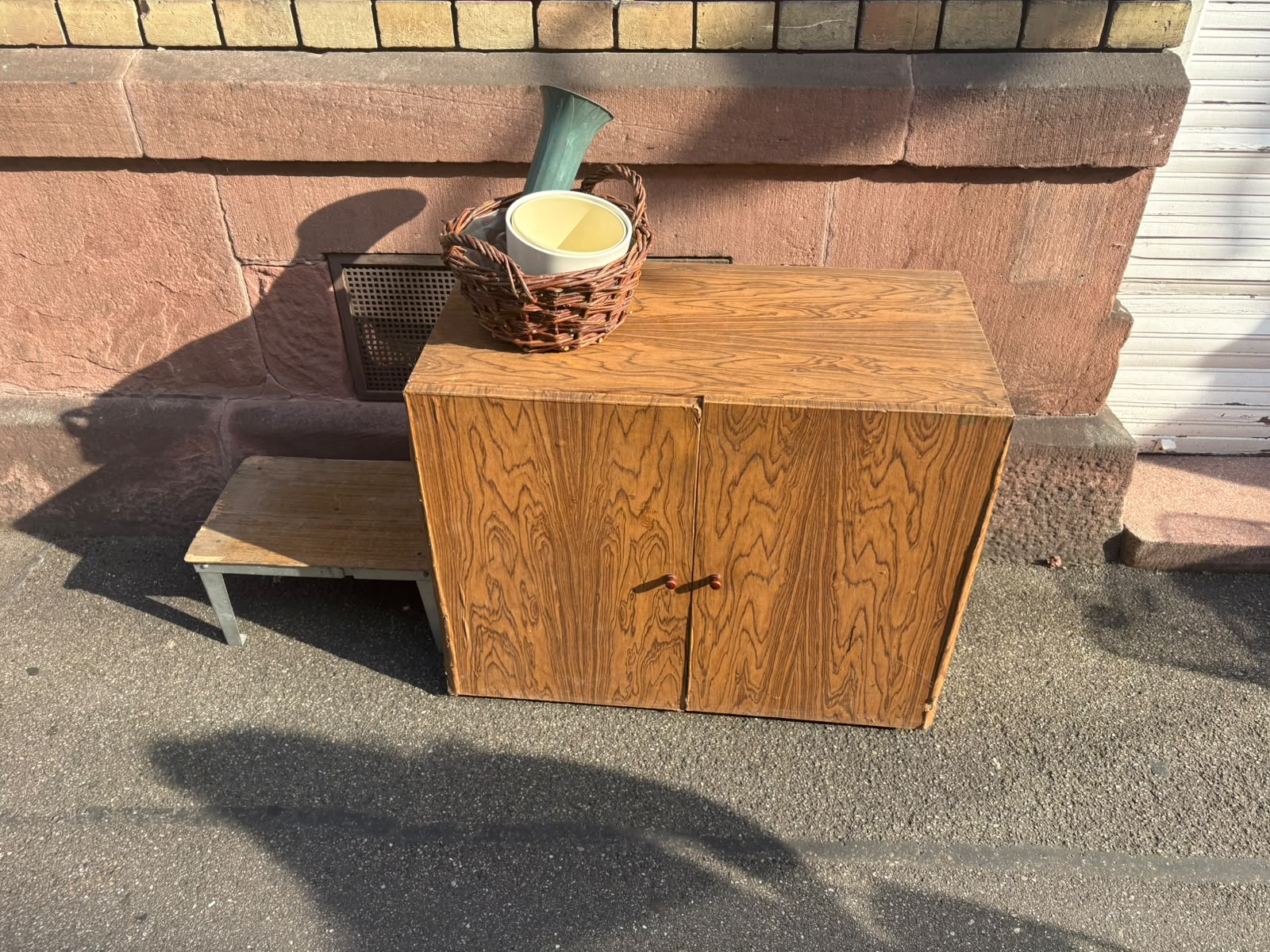

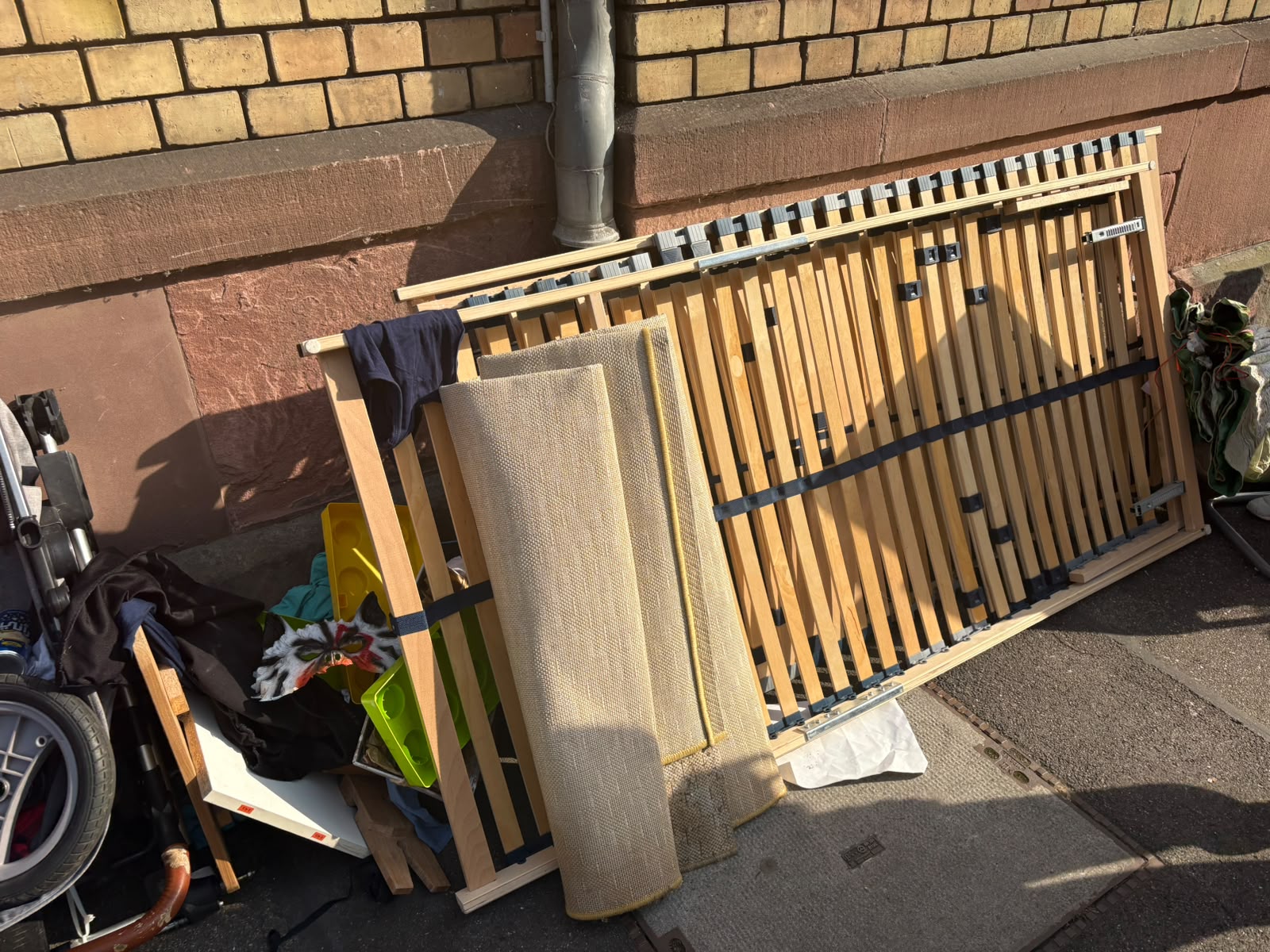
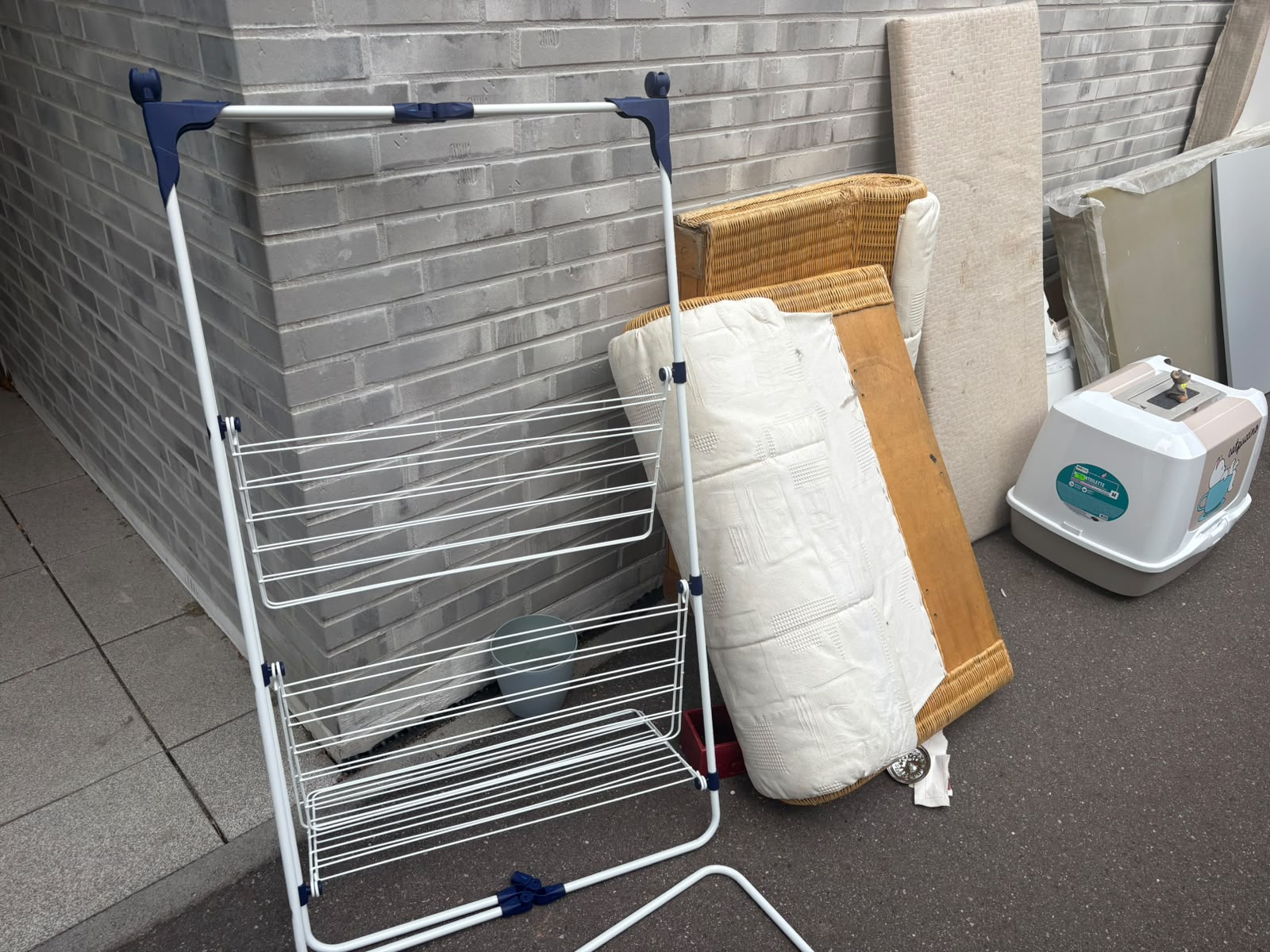
One of the most interesting cultural experiences we have had since moving to Germany as an Azubi was discovering Sperrmüll for the first time. Experiencing this sparked the thought of what it would be like back home if we adopted the same concept and how it would benefit both the fortunate and less fortunate citizens. Today we are going to explore more about the famous Sperrmüll.
Coming from South Africa, the idea of putting perfectly usable furniture and household items outside for collection felt very unusual. My first thought was: “Why would someone throw this away if another person could still use it?”
But after understanding the German system, I realised that Sperrmüll is not simply about throwing things away, but rather also about recycling, sustainability, and giving objects a second life.
What exactly is Sperrmüll?
Sperrmüll literally means “bulky waste”. It is a special type of waste collection in Germany designed for large household items that cannot fit into normal rubbish bins.
Examples of items placed out for Sperrmüll include:
- Sofas and chairs
- Tables and cupboards
- Mattresses
- Shelves
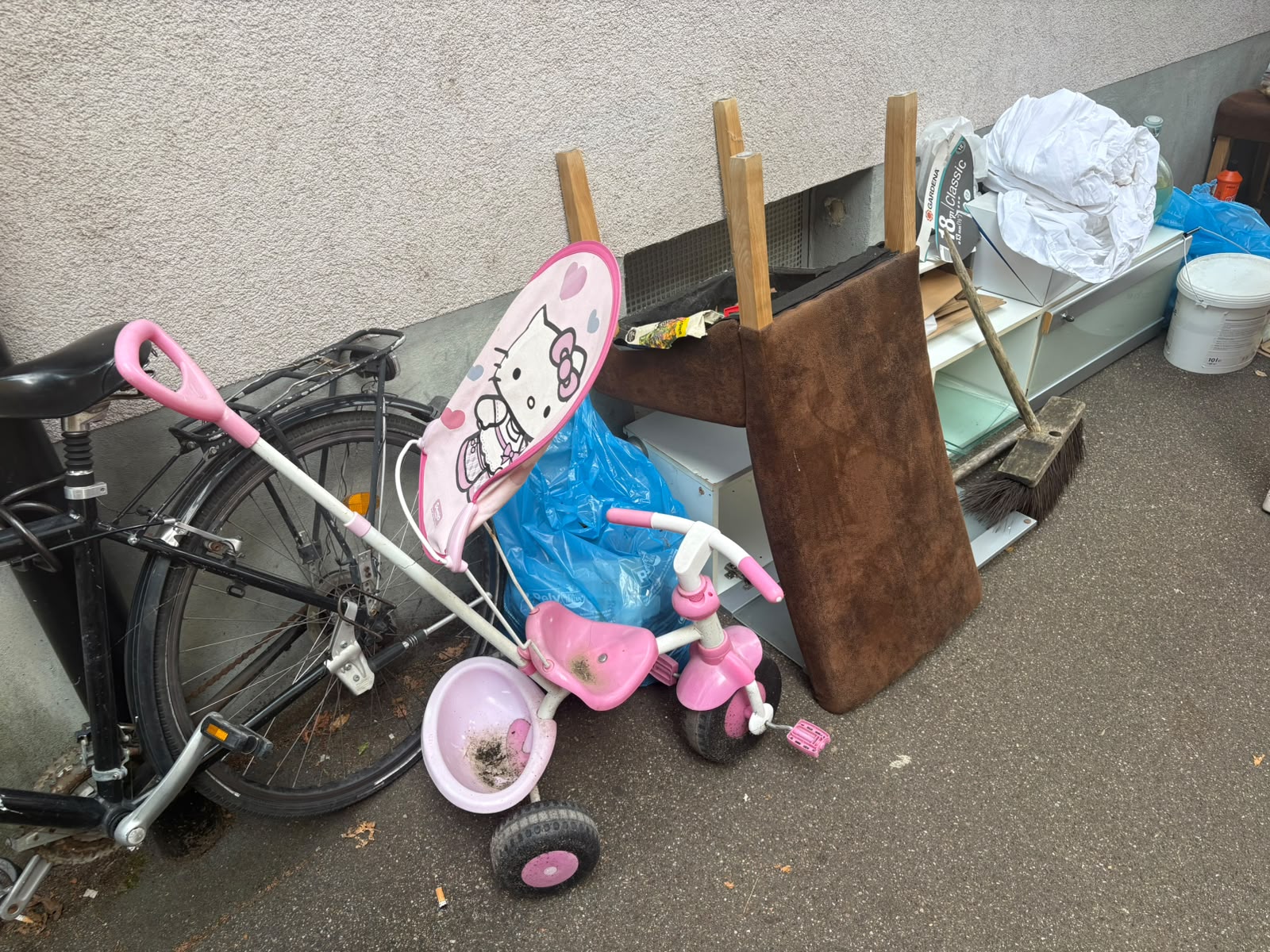
- Old bicycles
- Lamps
- Household equipment
- Other large items from homes
The idea is that when people move house, renovate, or replace furniture, they have a legal way to dispose of these large objects.
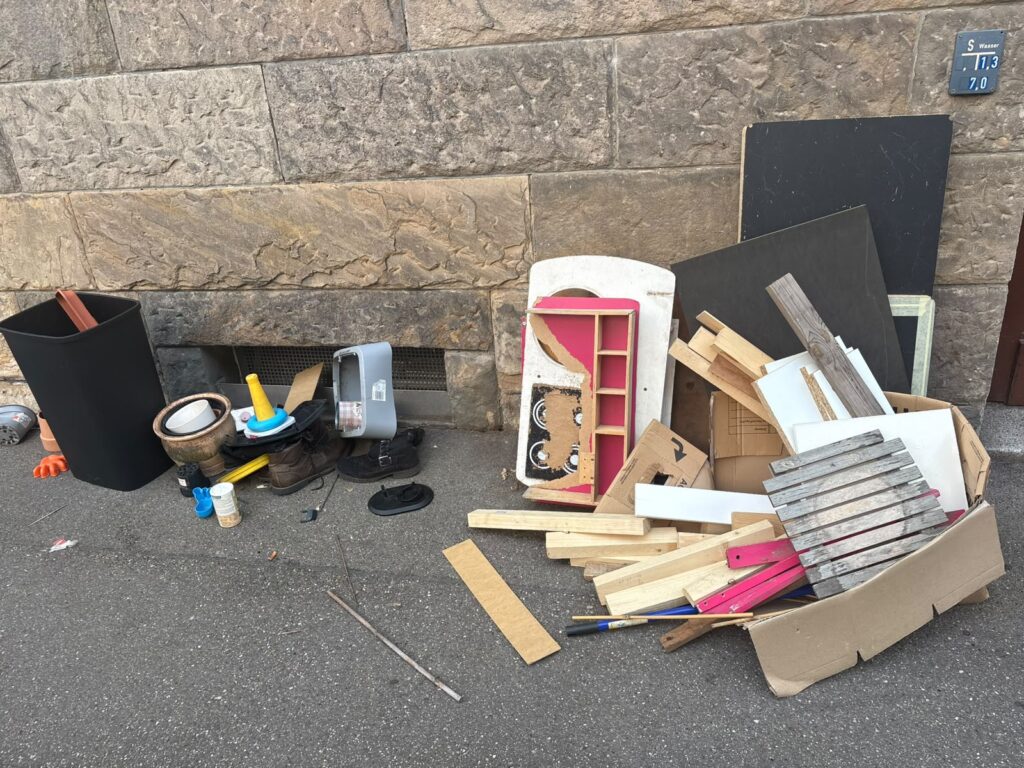
Instead of throwing everything into normal rubbish, cities organise special collection days where these items are taken away and properly processed.
Why do Germans use Sperrmüll?
Germany has a strong culture of organisation, recycling, and reducing unnecessary waste. Sperrmüll exists because large items require special handling.
The system helps:
1. Keep cities clean
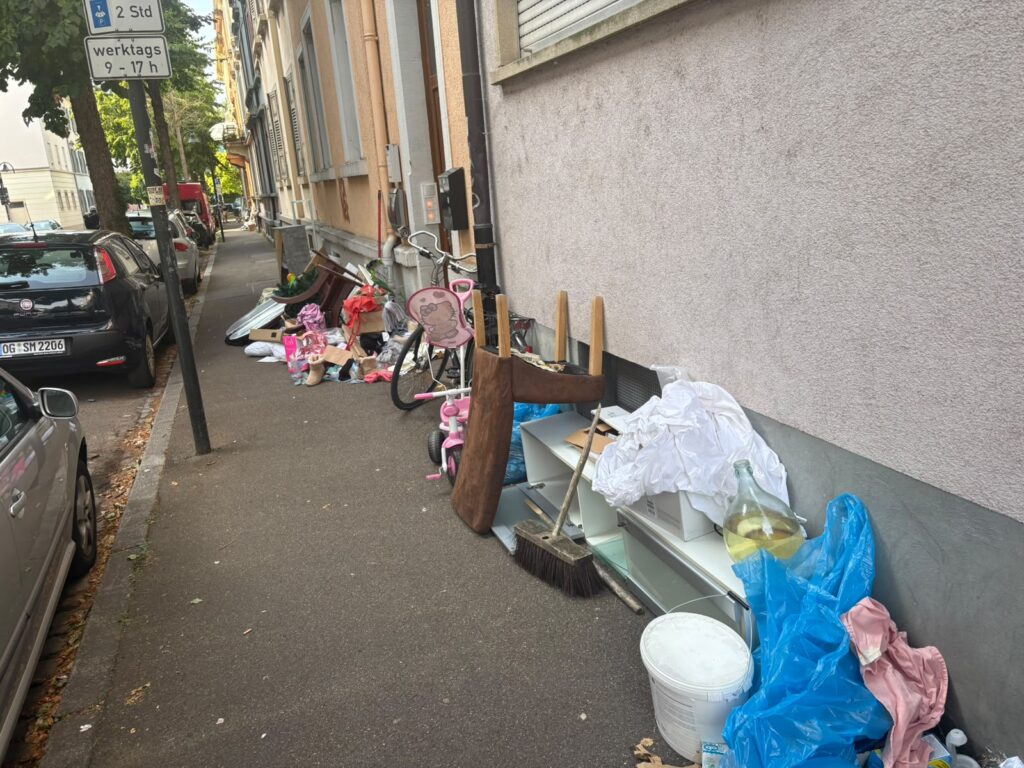
Without Sperrmüll, people might leave old furniture next to normal rubbish bins or in illegal dumping areas.
2. Encourage recycling
Many materials from old furniture can be separated and reused, including:
- Wood
- Metal
- Plastic
- Textiles
3. Give items a second life
This is the part that surprised me the most.
Many items placed outside during Sperrmüll are not actually broken. Sometimes people simply no longer need them because they:
- Moved into a smaller apartment
- Bought newer furniture
- Redesigned their home
- Inherited new items
For a new Azubi arriving in Germany, Sperrmüll can sometimes feel like discovering a free marketplace.
Can you take items from Sperrmüll?
This is where newcomers need to be careful.
Many people in Germany collect useful items from Sperrmüll, but the rules can differ depending on the city or municipality.
Some people see items outside and think:
“Someone is throwing this away, so it belongs to me.”
However, legally, once an item is placed outside for collection, it may still belong to the person who put it there until the waste collection service removes it. In some areas, taking items is tolerated, while in others it may not be allowed.
The safest approach is:
- Ask the owner if possible
- Check your local municipality rules
- Avoid taking items that are clearly damaged, unsafe, or marked for disposal
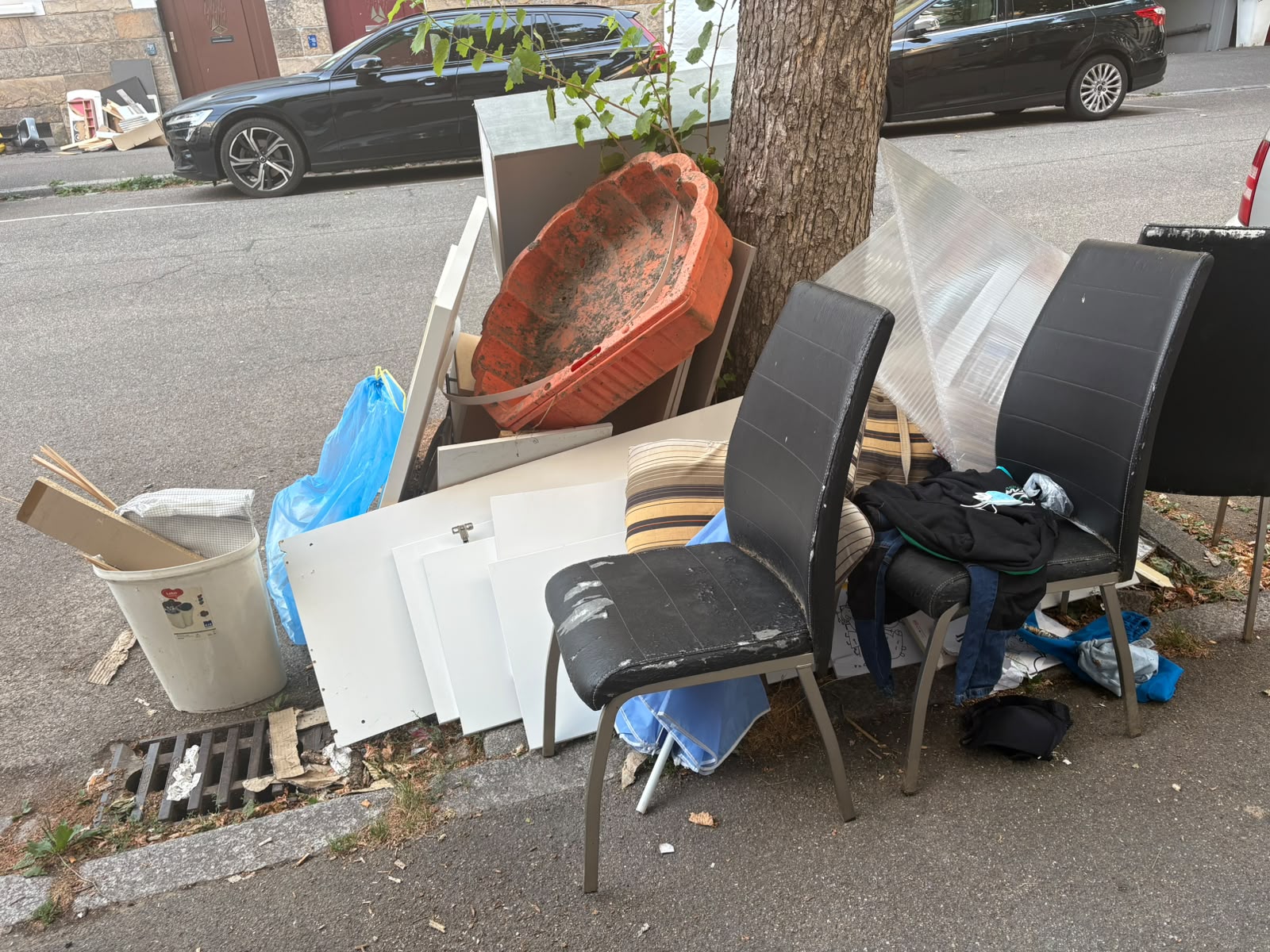
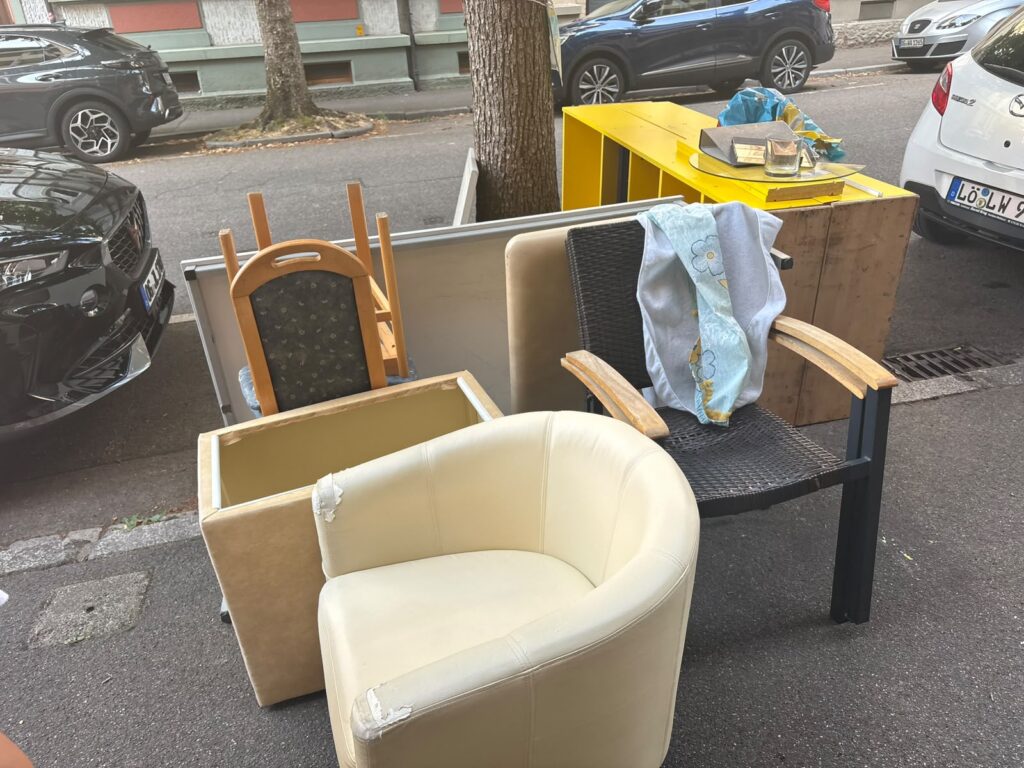
The advantages of taking items from Sperrmüll
For Azubis, students, and newcomers to Germany, Sperrmüll can have some great benefits.
Saving money
Starting a new life in Germany can be expensive. Furniture, kitchen equipment, and household items can quickly cost hundreds of euros.
Finding a usable chair, table, or shelf can reduce your expenses significantly.
Sustainability
Buying second-hand reduces waste and supports a more environmentally friendly lifestyle.
Instead of producing demand for new products, you are extending the life of something that already exists.
Discovering German neighbourhood culture
Sperrmüll also shows something interesting about German society: people often prefer organised systems where items can be reused instead of simply being thrown away.
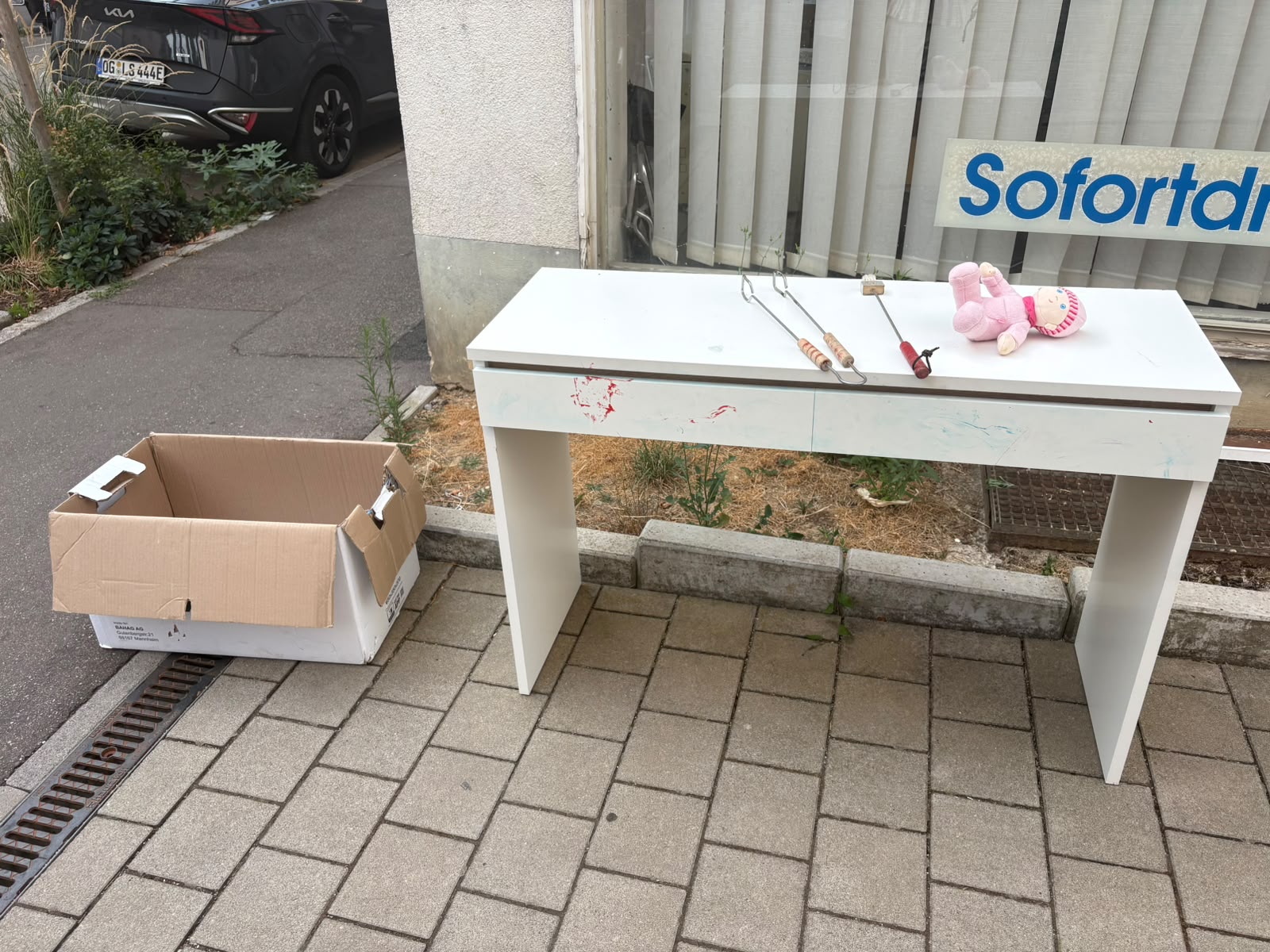
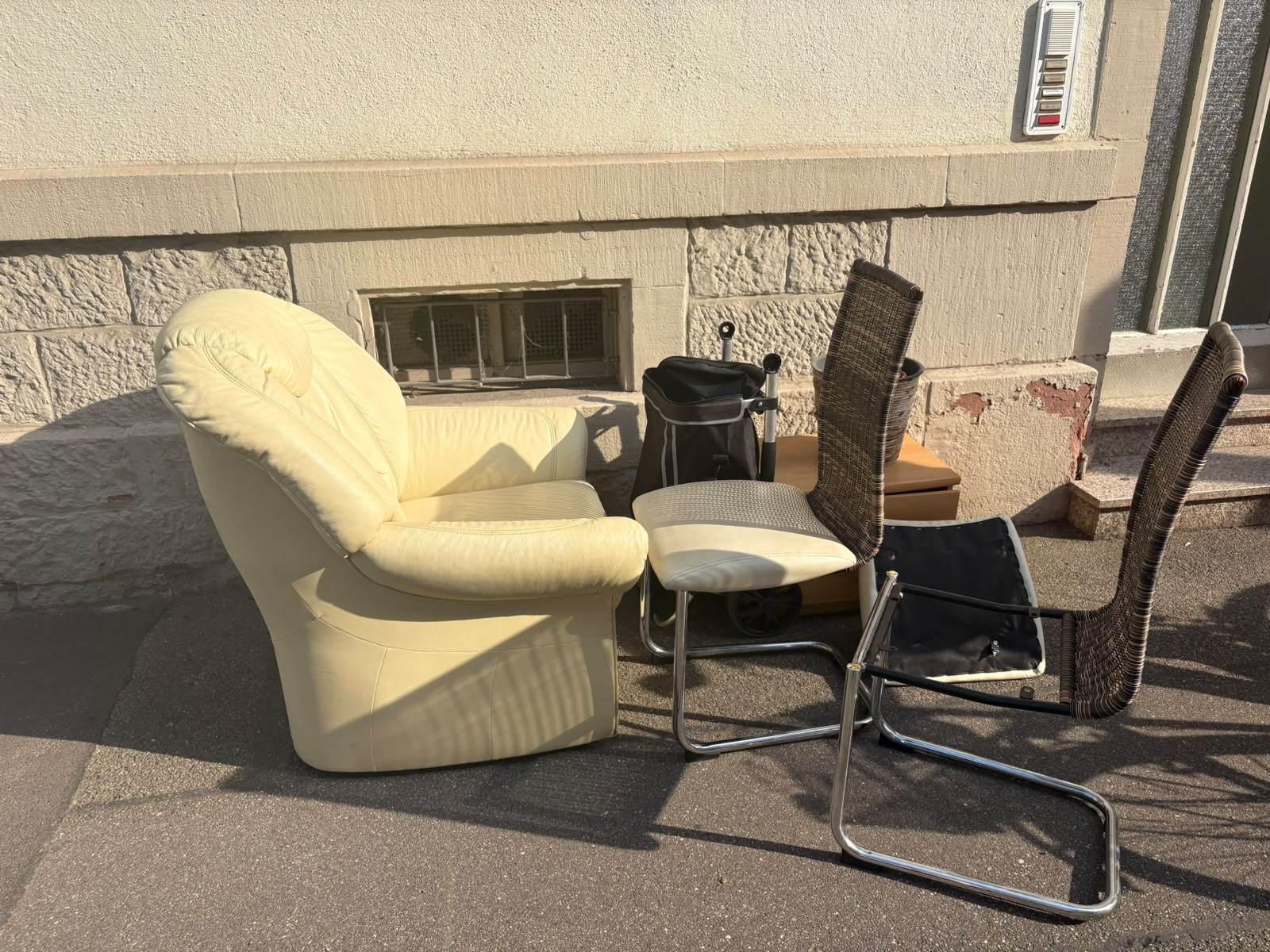
The disadvantages and risks
Although Sperrmüll can be exciting, there are also things to consider.
Hygiene concerns
Some items, especially mattresses, upholstered furniture, and textiles, may contain:
- Dust
- Allergens
- Stains
- Bed bugs
Always inspect carefully before bringing something into your home.
Quality issues
An item may look good outside but have hidden problems:
- Broken mechanisms
- Water damage
- Weak structures
- Electrical faults
Always check before taking it.
Transport problems
A free sofa is not always a bargain if you have no way to move it.
You need to consider:
- Size
- Weight
- Transport costs
- Whether it fits in your apartment
My advice for future Azubis
When you arrive in Germany, you quickly learn that saving money requires creativity.
Sperrmüll is one example of how life in Germany can be different from what many newcomers expect. Something that looks like “trash” at first can sometimes become someone else’s opportunity.
However, approach it with respect. Germany has systems for a reason. Understand the rules, inspect items carefully, and think about whether you truly need something before taking it.
For many Azubis starting their journey with limited income, Sperrmüll can be a small but valuable introduction to German culture: reuse, recycle, save money, and think differently about consumption.
Sometimes, one person’s unwanted item can become another person’s new beginning.

Watch Our Videos

Leave a Reply