
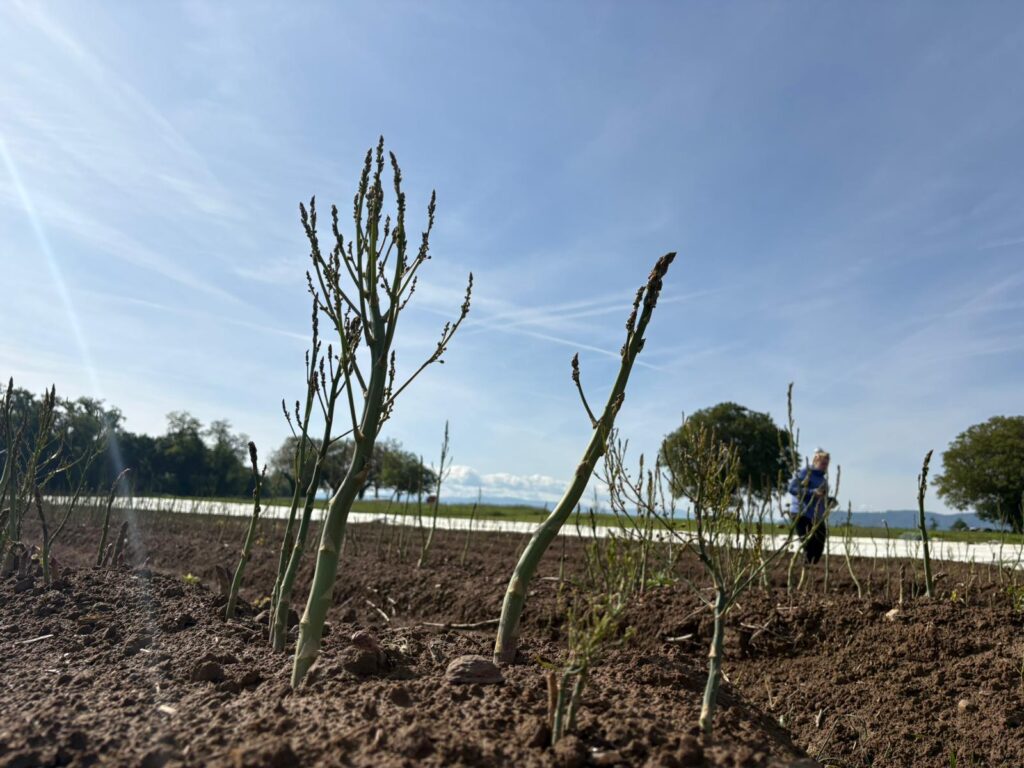
Asparagus season has arrived, and few people appreciate asparagus quite like Germans. During this time of year, restaurants and households across Germany embrace seasonal favourites such as the famous Spargel Suppe or white asparagus served with hollandaise sauce, kratzete, and potatoes. Recognising the importance of this seasonal delicacy, Europa-Park gave us the opportunity to visit a nearby farm that supplies produce not only to the park, but also to other local businesses. It was here that we gained a deeper understanding of the journey asparagus takes — from the soil all the way to the heart of German cuisine.
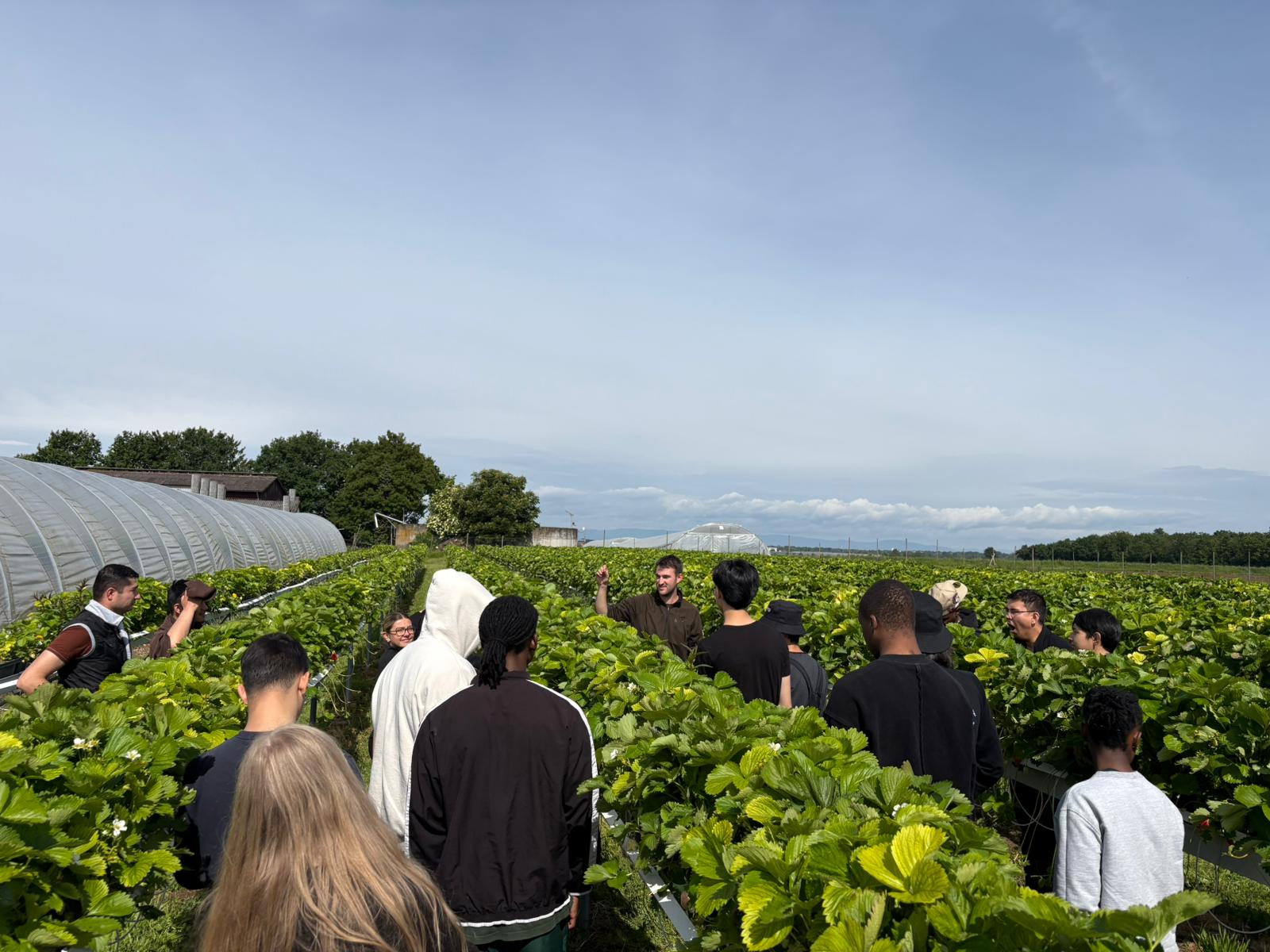
The first-year Azubis in systems gastronomy and kitchen specialisation made their way to the Waldeckhof Raith farm, located approximately 15 minutes from Europa-Park. For some of us, it was our first true countryside experience in Germany, giving us the unique opportunity to witness the beginning of the food journey before it eventually makes its way onto guests’ plates at Europa-Park.
Waldeckhof Raith cultivates and distributes a variety of crops, allowing us to gain valuable insight into the agricultural process and the importance of fresh, local produce. Overall, it was a truly fascinating and eye-opening experience.
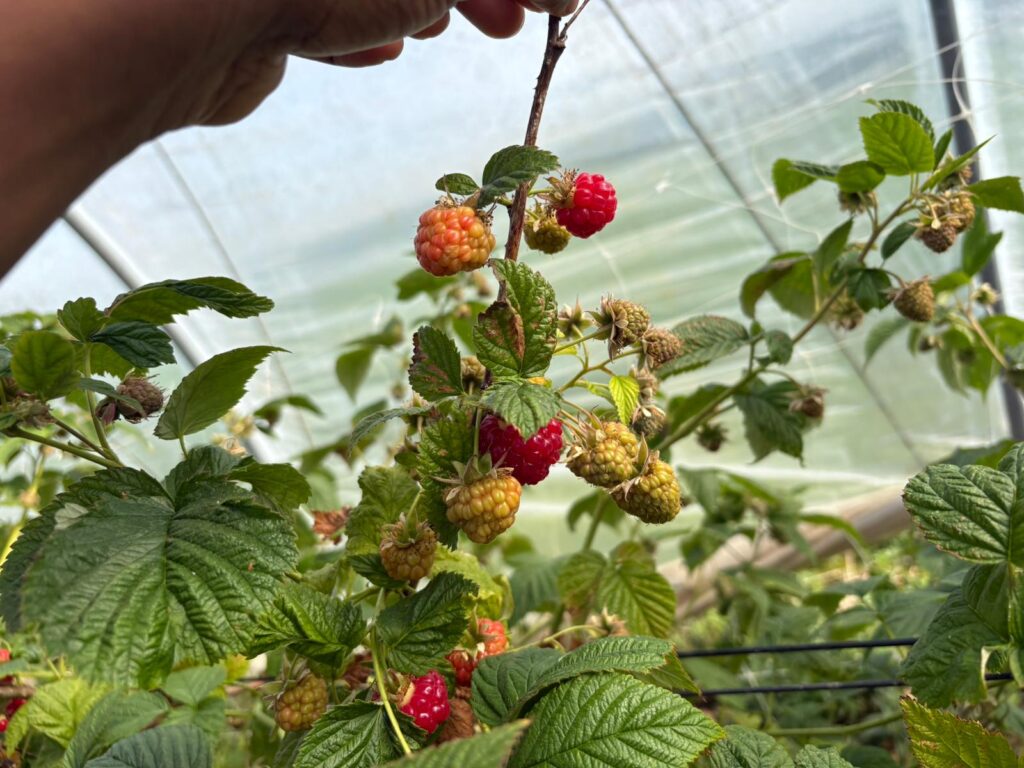
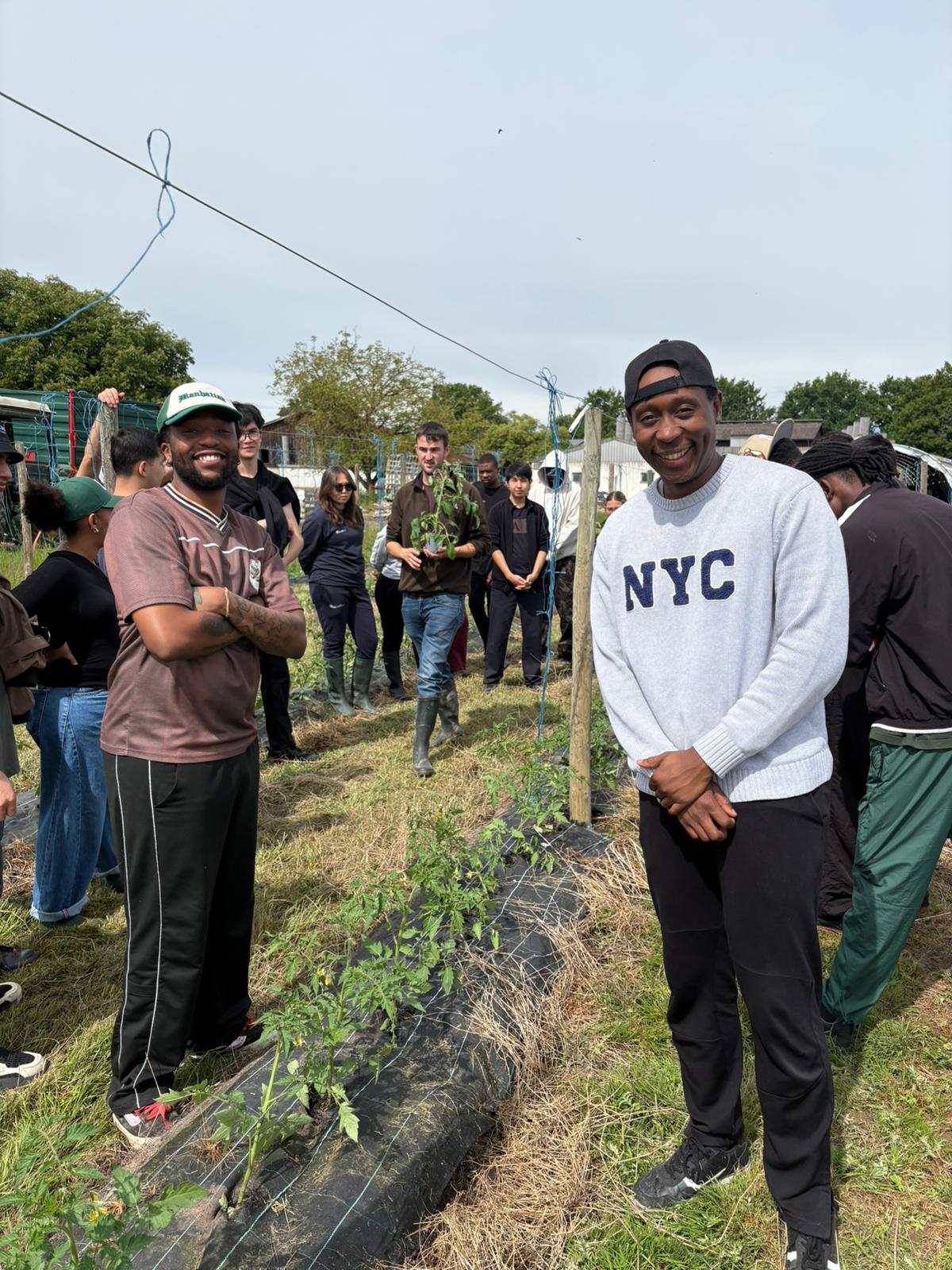
With the resources available to the farm, they have also taken the opportunity to experiment with a variety of crops in order to maximise potential yield. Different berries, such as raspberries and strawberries, were cultivated in various environments to better understand which growing conditions produce the best results. This process of experimentation highlights the farm’s commitment to innovation and sustainable agricultural practices.
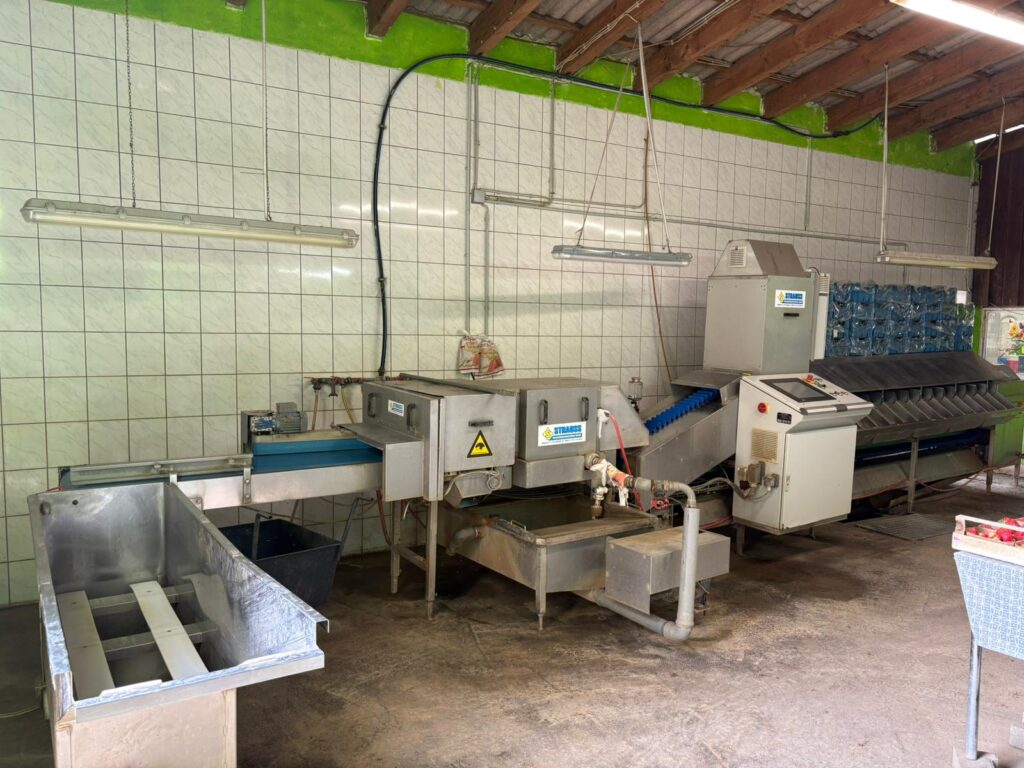
This machine costs over 50 thousand euros and is a proudly German built machine. This machine sorts the Asparagas according to certain specifications, which makes it easy for the farm to package and distibute.
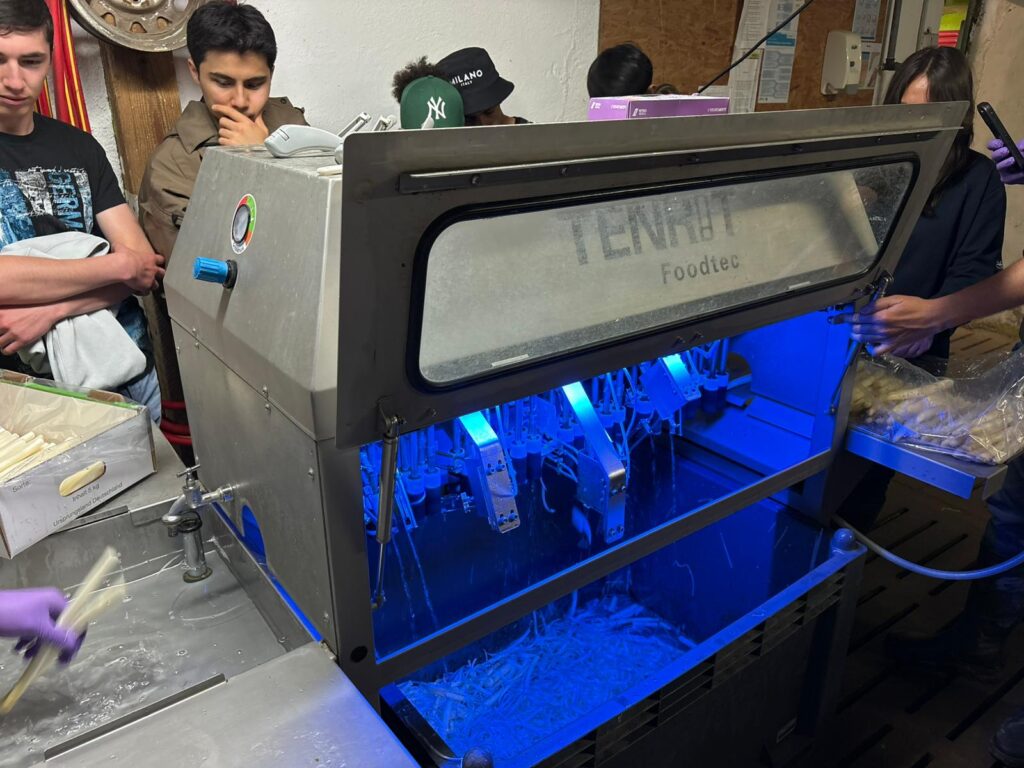
This asparagus peeling machine costs approximately €22,000 and is designed to peel asparagus with precision, ensuring accurate weight measurements for packaging and distribution.
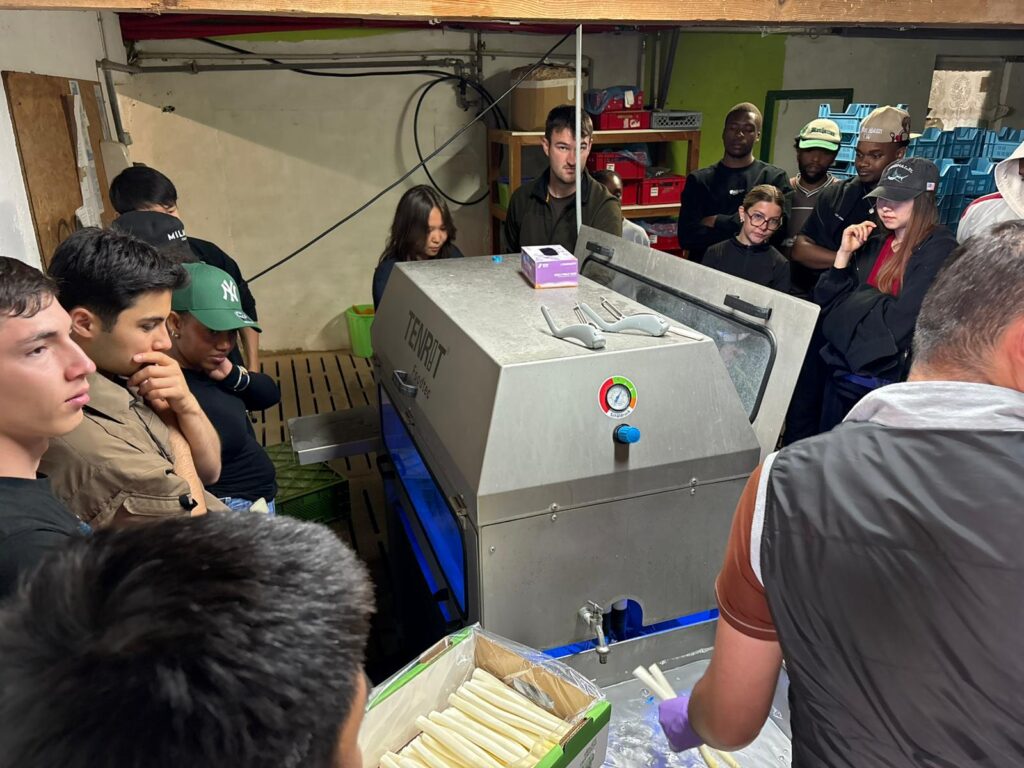
Overall, this experience was far more than just an opportunity to learn about Germany’s famous white asparagus and the agricultural process behind it. For us internationals, it was a chance to better understand an important part of German culture through one of its most celebrated seasonal traditions. Beyond the learning experience, the visit also gave us the opportunity to bond outside of work, strengthen friendships, and appreciate how food can bring people together. In many ways, we got to understand German culture better — quite literally through the German stomach.


Leave a Reply