
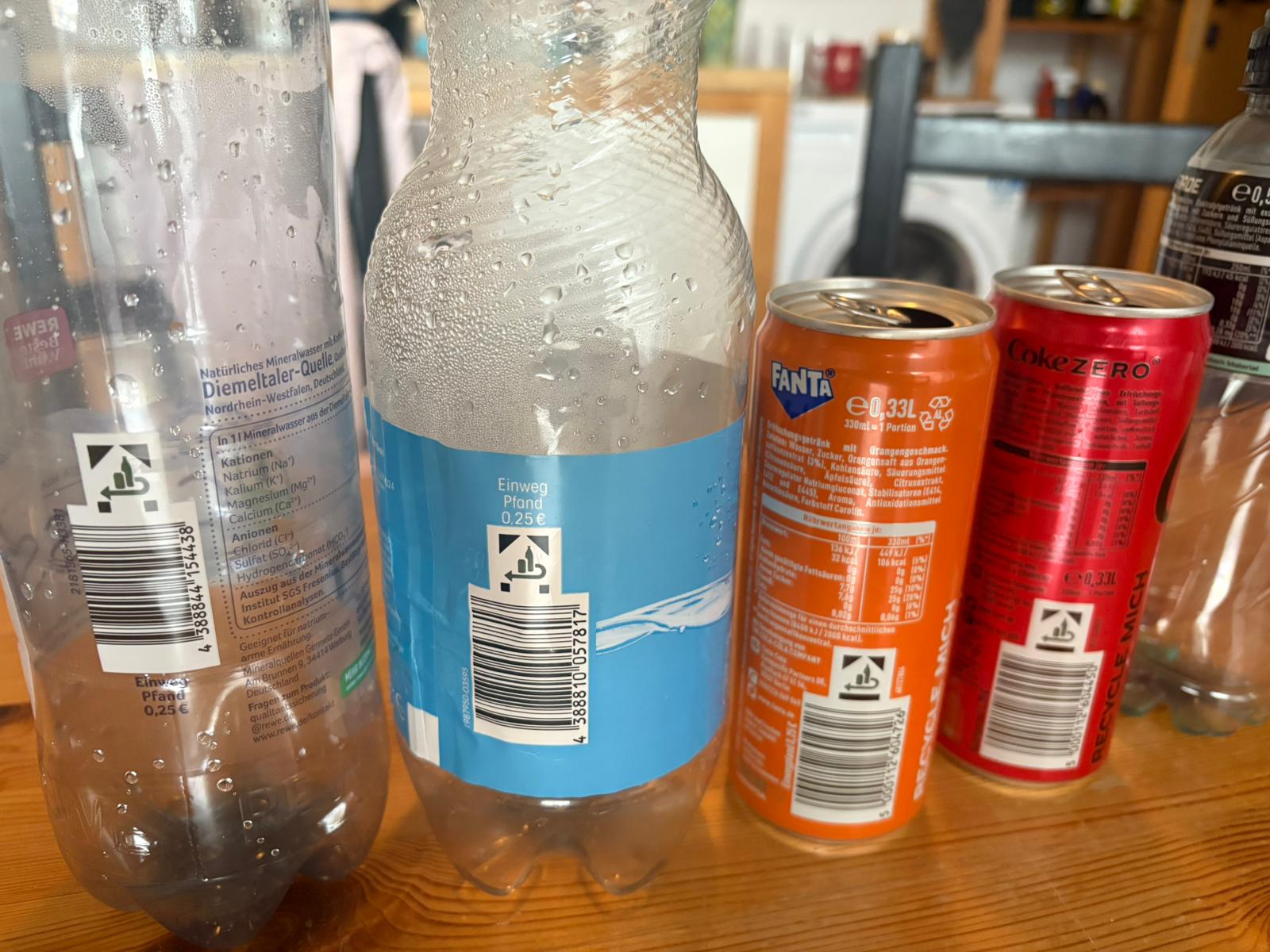
German has illustrated its contribution worads climate change but introducing a partuclar waste management solution into policy. This policy is know by most Germans as the “Pfand Model”. Through this model, we argue that a deposit-return scheme (Pfand) used by countries such as Germany for bottles and cans—could help improve or solve issues in South Africa’s waste management, such as littering, recycling rates, or landfill overuse.
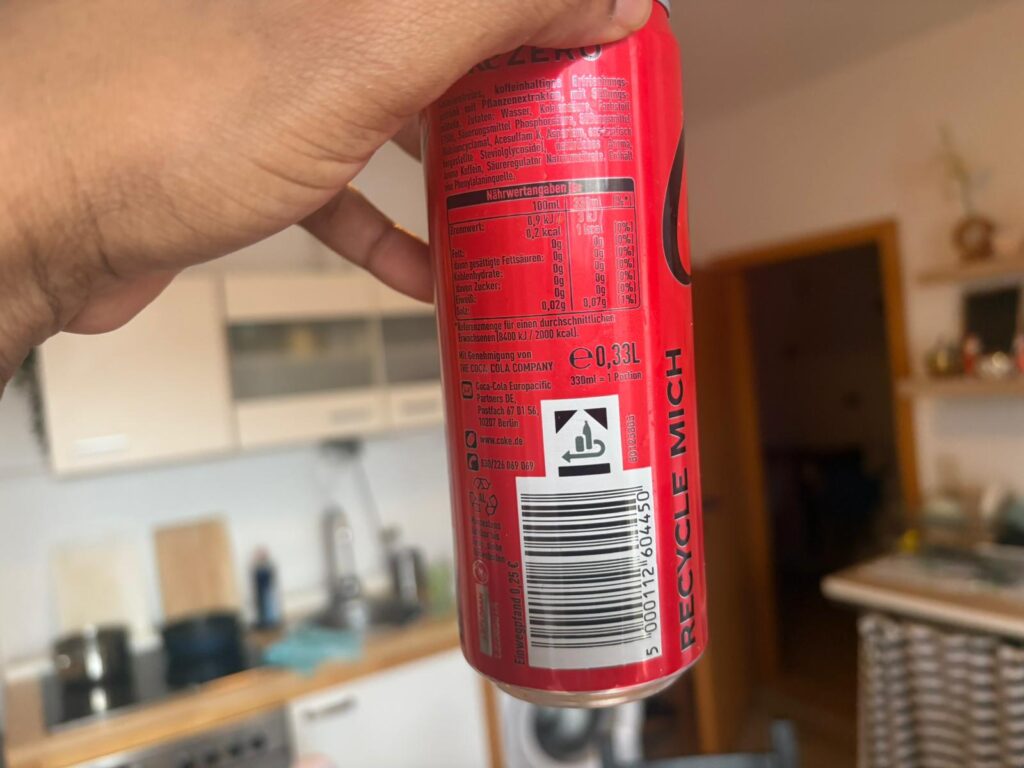
We took it upon ourselves to create a list of benefits that it would have to introde the Pfand Model into South African policy and what the ripple effects it could have.
- No more Pharas
- Cleaner streets
- Recycling is easier
- Government can introduce further changes to combat climate change.
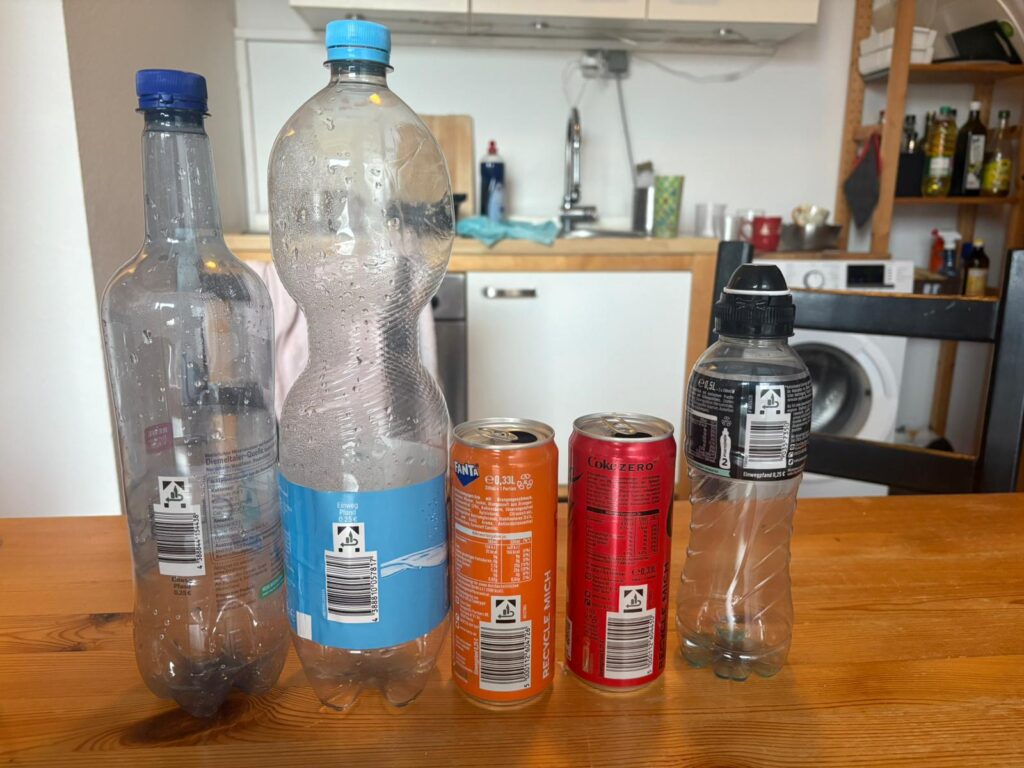
Here are the key advantages South Africa could gain from adopting the Pfand (deposit-return) model:
✅ 1. Higher Recycling Rates
Countries using the Pfand system (e.g., Germany, Norway, Sweden) consistently achieve 80–98% return rates for bottles and cans.
In South Africa, where recycling rates vary widely, a financial incentive would motivate more people to return packaging instead of discarding it.
✅ 2. Reduced Litter and Cleaner Public Spaces
When containers have value, people are less likely to throw them away.
Even if some people still litter, collectors will pick them up for the deposit, leading to cleaner:
- Streets
- Beaches
- Rivers
- Communities
✅ 3. Economic Opportunities for Low-Income Communities
The Pfand system creates:
- Income streams for informal waste pickers
- New jobs in sorting centers, distribution, and logistics
- Entrepreneurial opportunities for small collection points
It formalizes and fairly compensates those already collecting recyclables.
✅ 4. Less Strain on Landfills
South Africa’s landfills are reaching capacity.
Deposit-return systems divert high-volume, high-value waste (PET, glass, aluminium) away from landfills, increasing landfill lifespan and reducing the need for new sites.
✅ 5. Encourages a Circular Economy
The Pfand model promotes:
- Reuse (especially glass bottles)
- High-quality recycling
- Reduced extraction of new raw materials
This supports South Africa’s transition towards a circular, sustainable packaging economy.
✅ 6. Increased Producer Responsibility
Manufacturers are incentivized to:
- Use more recyclable materials
- Design packaging that fits into return systems
- Participate in the environmental impact of their products
This aligns with South Africa’s existing Extended Producer Responsibility (EPR) regulations.
✅ 7. Strong Public Engagement
The model builds a culture of responsibility, where returning containers becomes a normal part of daily life, creating widespread behaviour change.

Summary Table
| Advantage | Impact |
|---|---|
| Higher recycling rates | Less waste; more materials recovered |
| Cleaner environment | Reduced litter and pollution |
| Economic uplift | Jobs + income for informal collectors |
| Lower landfill pressure | Longer lifespan; reduced costs |
| Circular economy | More reuse + better recycling quality |
| Producer responsibility | Better packaging design |
| Public participation | Long-term behavioural change |


Leave a Reply