
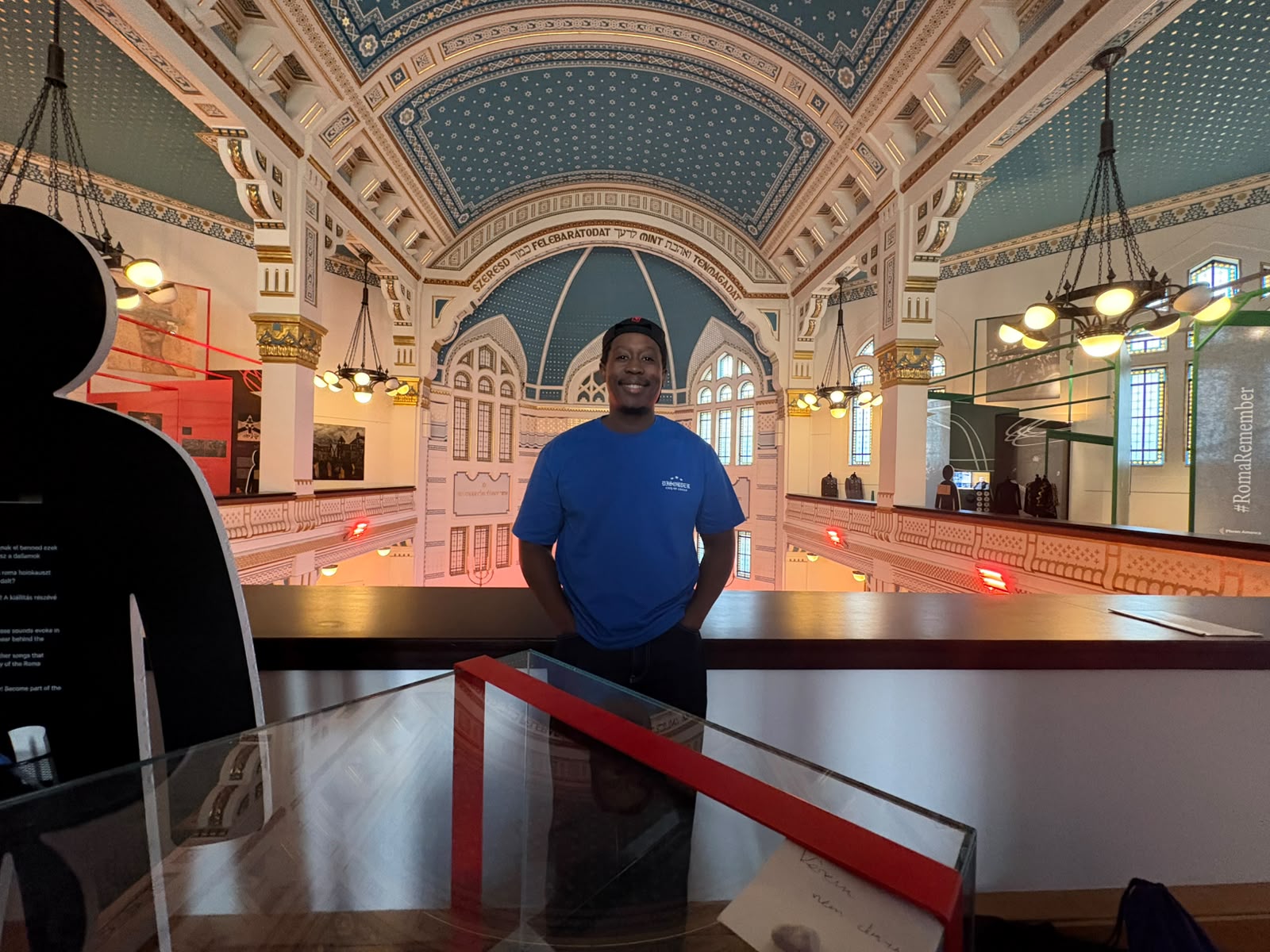
Discovering Budapest was more than just another trip. It was an opportunity to experience a city where history, culture, architecture and food come together to tell a fascinating story.
Every city has a story to tell, and Budapest, Hungary, certainly has plenty of stories worth discovering.
Our time in Budapest offered us an opportunity to step outside our usual surroundings and experience a different side of Europe. From exploring historical landmarks and museums to enjoying some of the city’s most memorable culinary experiences, the trip was a reminder that travelling is one of the most effective ways to learn beyond the classroom.
At X-Factored Youth, we believe that young people should be exposed to opportunities that broaden their perspectives. Whether through education, international mobility, cultural exchange or simply exploring a new destination, every experience has something valuable to teach us.
Budapest gave us exactly that.
A city where history meets modern life.
One of the first things that stands out about Budapest is its architecture and historical character. The city is divided by the River Danube, with Buda on one side and Pest on the other. Each side has its own personality, but together they create one of Europe’s most recognisable capital cities.
Walking through Budapest, you quickly realise that the city is much more than a popular tourist destination. Its buildings, monuments and museums reflect centuries of political change, cultural development and historical events.
For us, exploring the city was an opportunity to understand some of those stories first-hand.
Exploring Budapest’s museums: Lessons from the past.
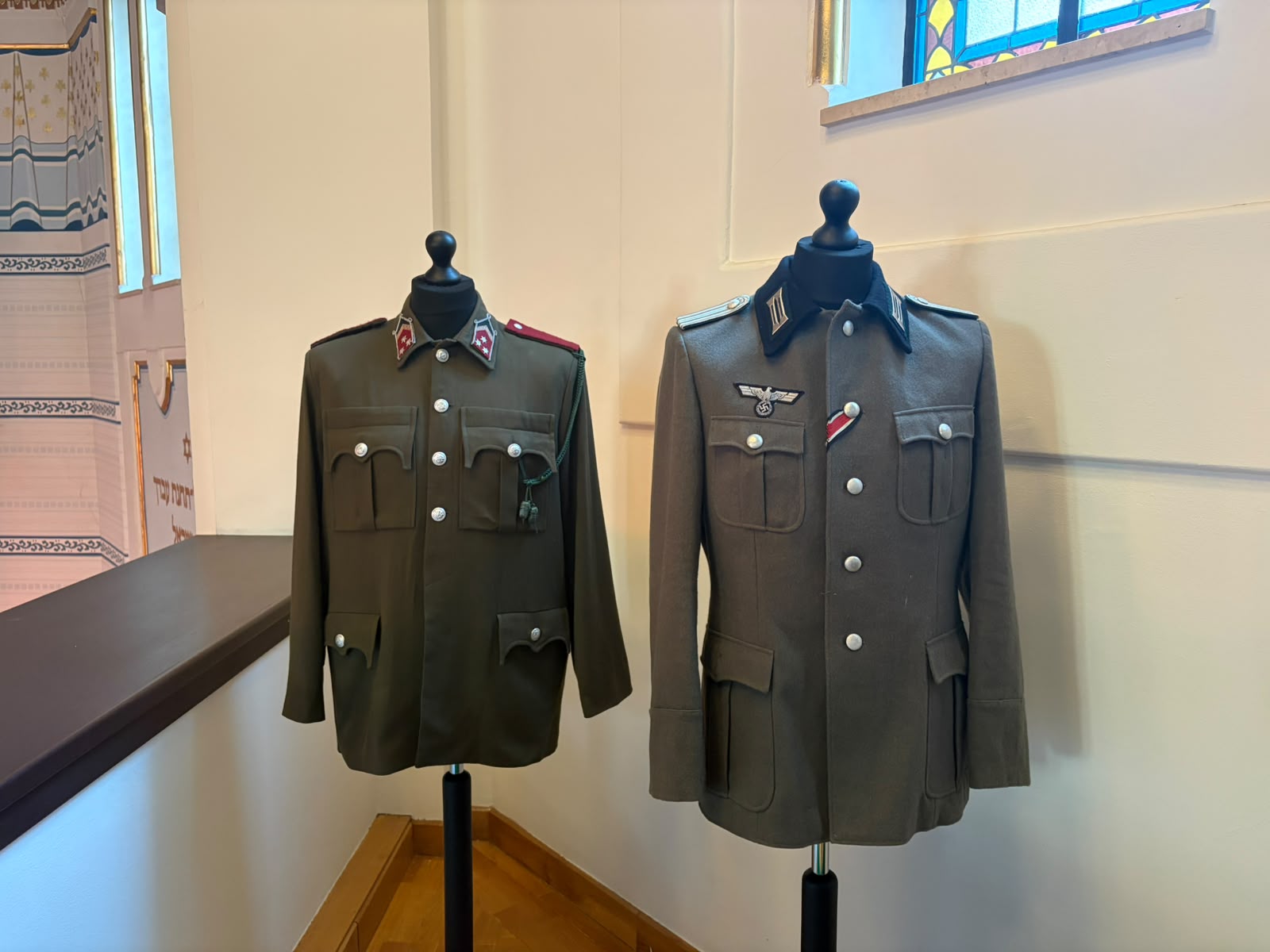
One of the highlights of our visit was the opportunity to explore some of Budapest’s museums. Each museum offered a different perspective on the city’s history, Hungary’s identity and some of the events that shaped Europe.
Rather than simply reading about historical events in books, we had the opportunity to engage with historical artefacts, exhibitions and stories that brought the past closer to us.
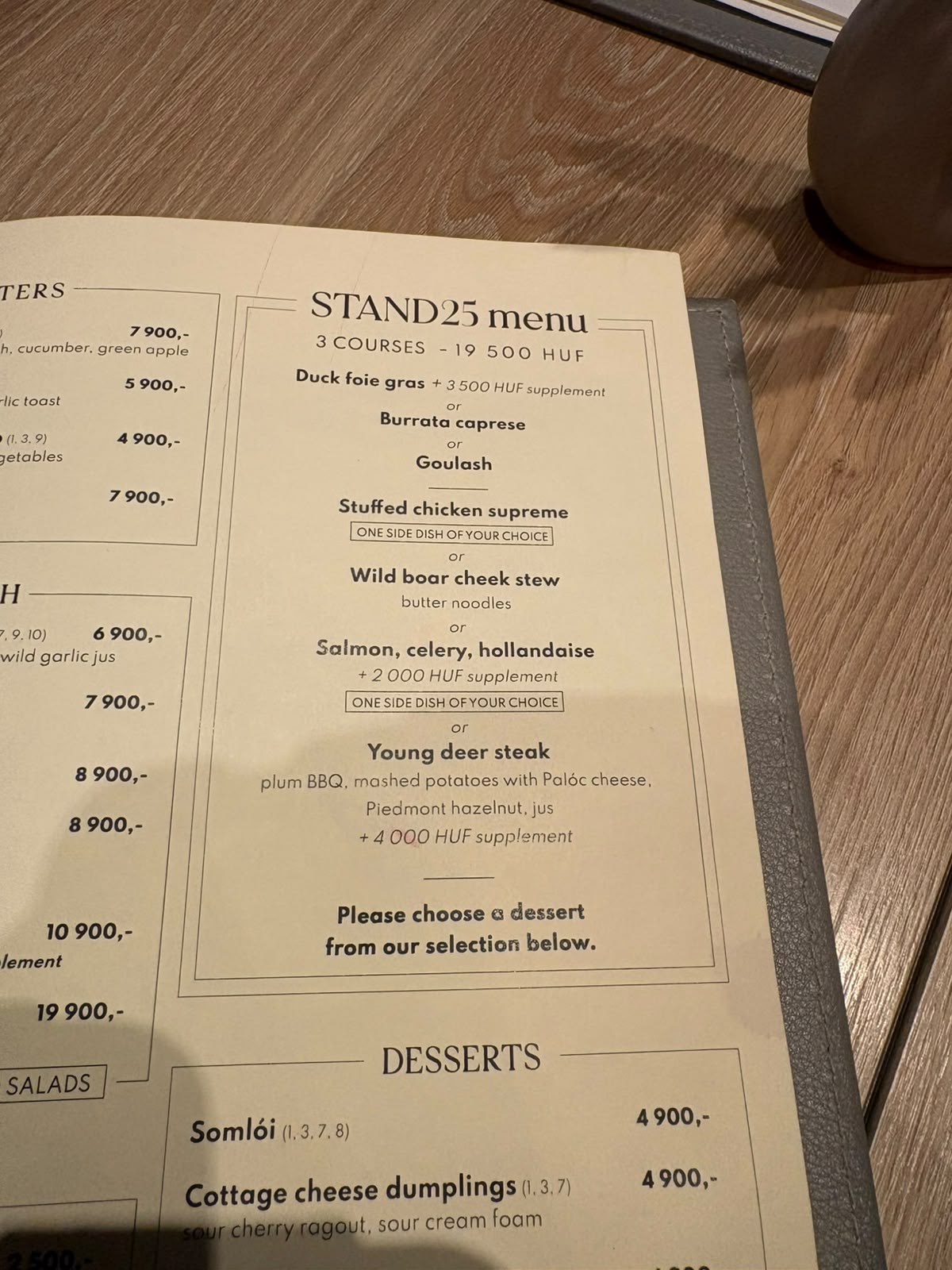
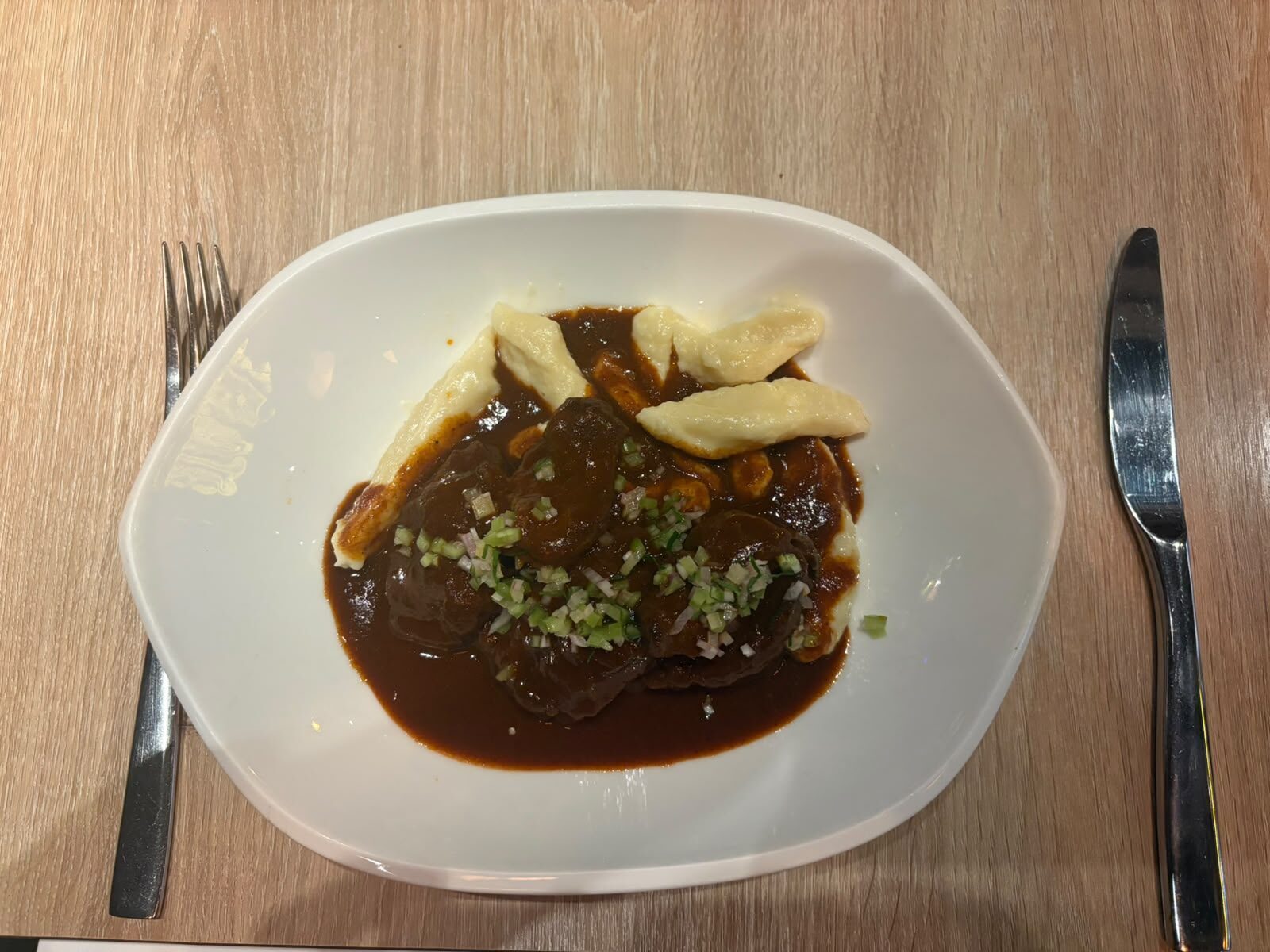
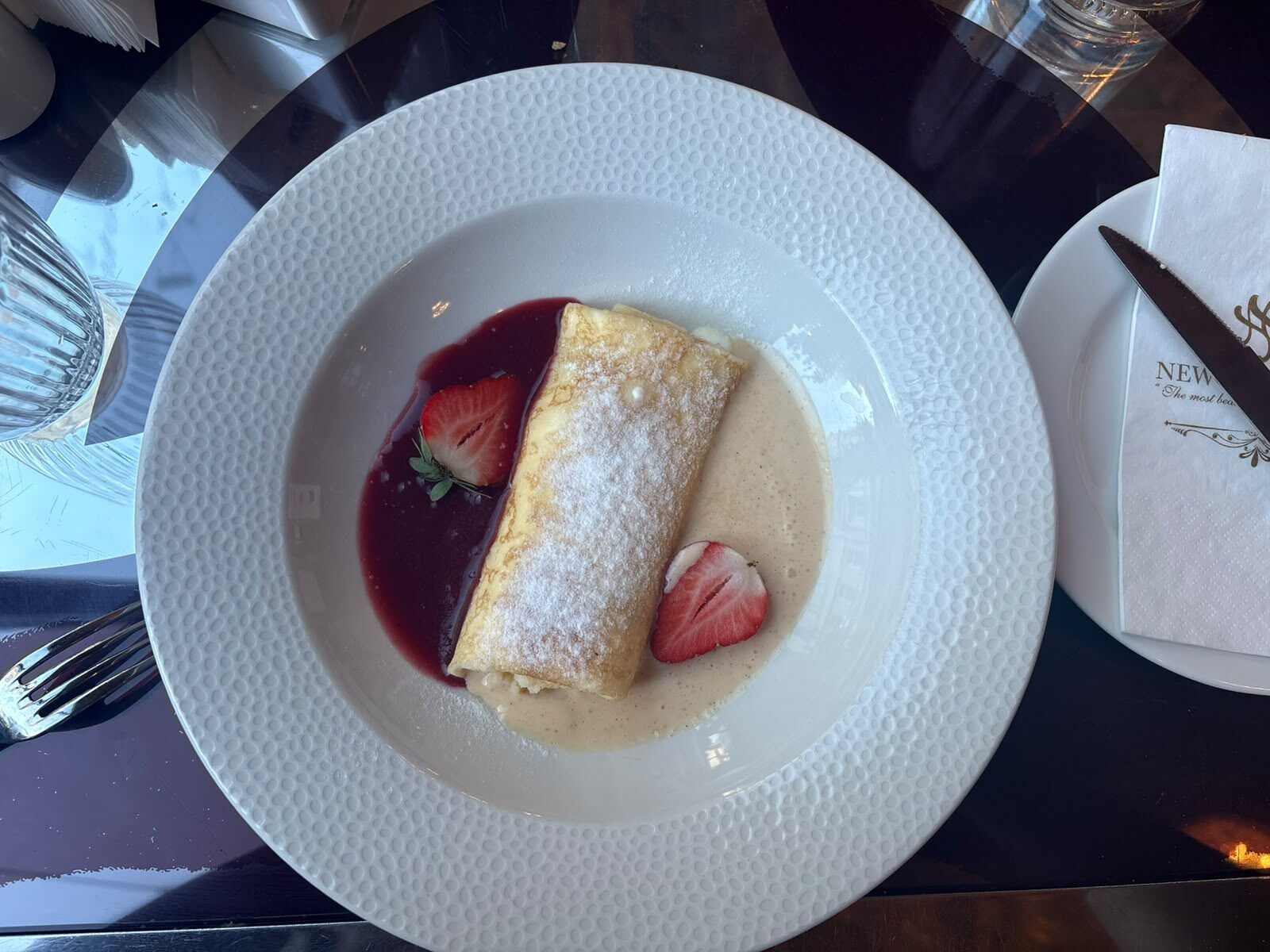
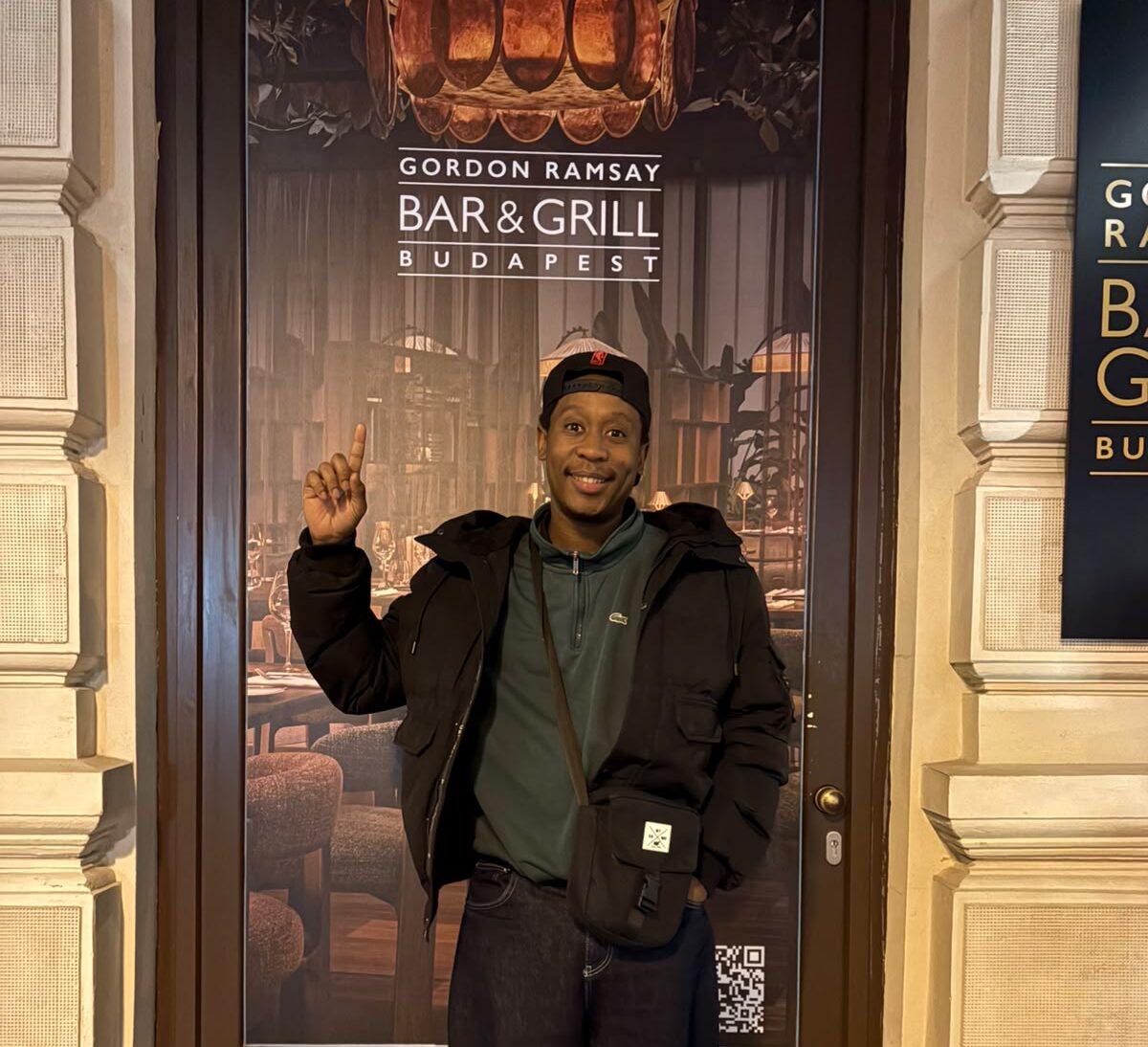
introduced us to a contemporary interpretation of Hungarian cuisine. Known for its approach to traditional Hungarian dishes, the restaurant combines local ingredients, familiar flavours and modern culinary techniques.
What makes Stand25 particularly interesting is its philosophy of maintaining the authenticity of Hungarian food while presenting it in a more contemporary bistro setting.
For anyone interested in gastronomy, this is a worthwhile experience because it demonstrates how traditional cuisine can evolve without losing its cultural identity.


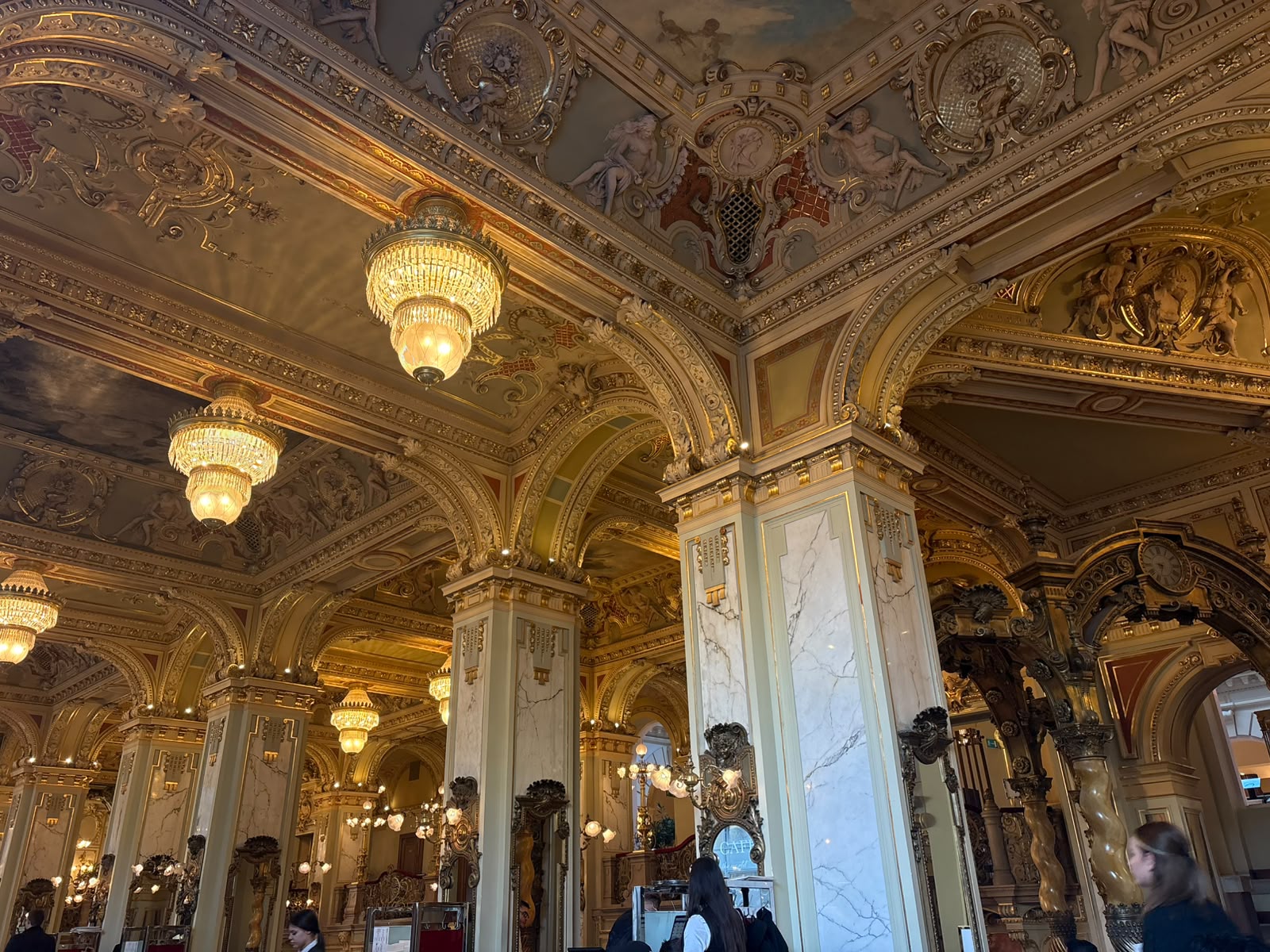
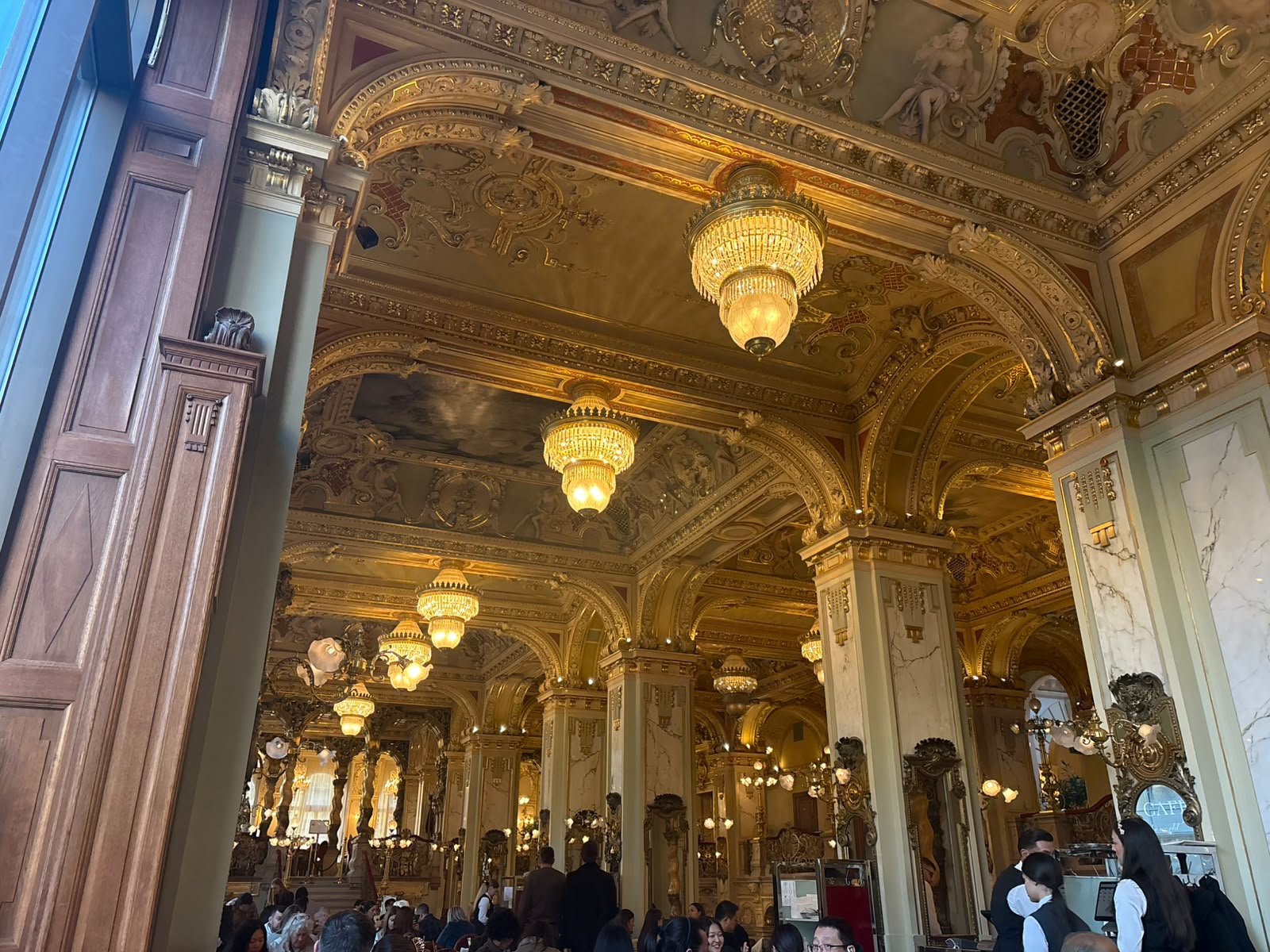
If there was one place that made us stop and appreciate the beauty of Budapest’s hospitality scene, it was the New York Café.
Often described as one of the world’s most beautiful cafés, this iconic establishment is known for its impressive architecture, marble columns, gold decorations, chandeliers and beautifully painted ceilings.
Opened in 1894, the café has a rich history of attracting writers, journalists, artists and intellectuals. It was once an important meeting place for Budapest’s literary community.
Our visit gave us an opportunity to experience a venue where architecture, history, food and hospitality come together. It is a reminder that restaurants and cafés can be much more than places to eat; they can become cultural landmarks in their own right.

The Citadel and the Bastion of Freedom
One of the most memorable stops during our time in Budapest was Gellért Hill, home to the famous Liberty Statue, a prominent landmark overlooking the Hungarian capital. The statue depicts a woman holding a palm branch above her head and has become one of the most recognisable symbols of Budapest.
Behind this iconic monument lies the historic Citadel, a former military fortress with a fascinating connection to Hungary’s past. Built by the Habsburg authorities following the Hungarian Revolution of 1848–1849, the fortress was originally intended to reinforce imperial control over the city.
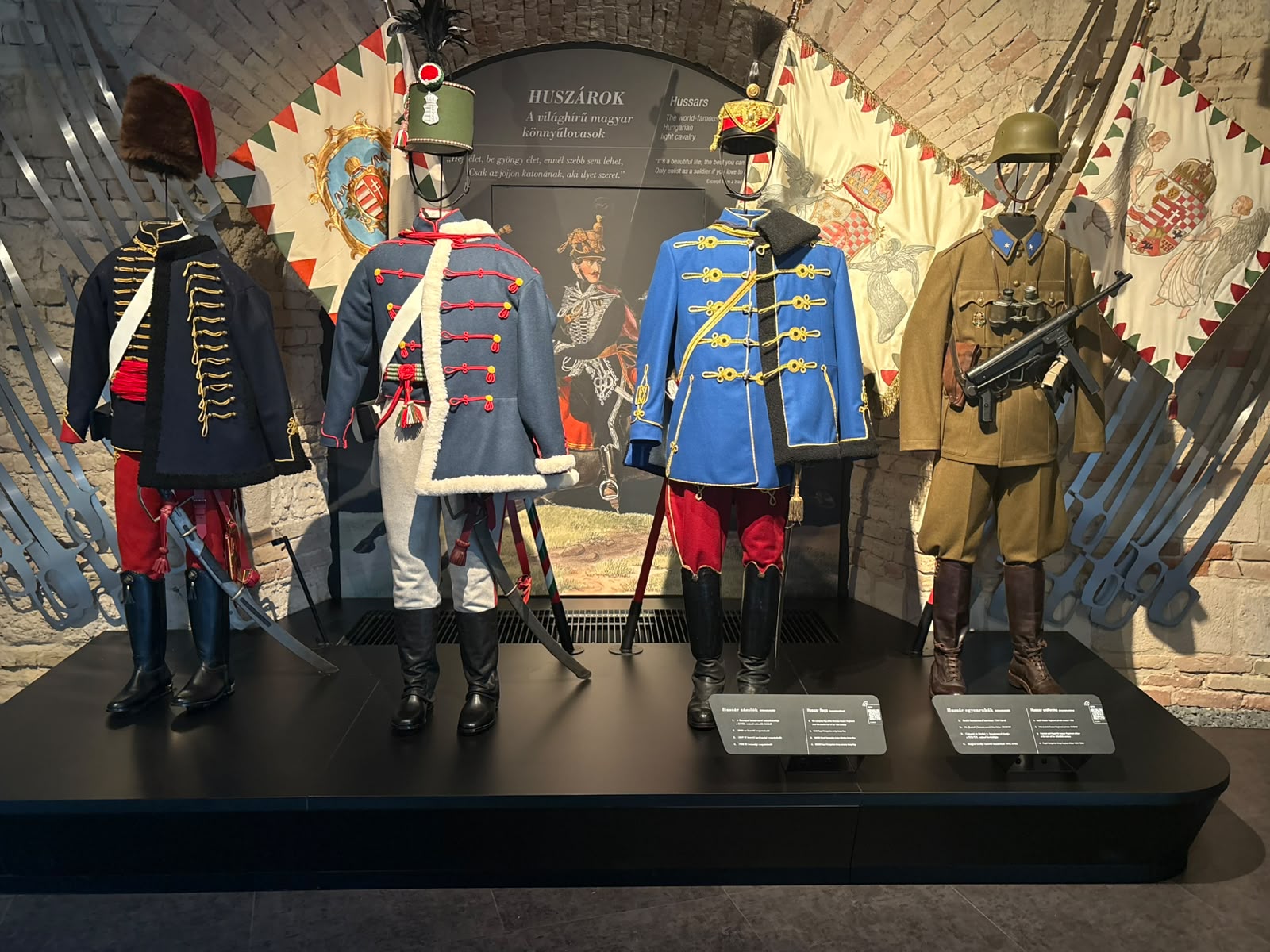
During our visit, we had the opportunity to explore the historical exhibition known as The Bastion of Freedom (A Szabadság Bástyája). Located inside the renovated Citadel, this immersive exhibition takes visitors through more than a thousand years of Hungarian history, highlighting the country’s struggles for independence, major historical turning points, wars, political oppression and eventual return to freedom.
What makes the experience particularly interesting is how history is presented through interactive displays, visual storytelling and historical installations. Rather than simply reading about events, visitors are encouraged to engage with the stories of the people and generations who fought to preserve their country’s identity.
The Liberty Statue itself carries an important historical message. Originally erected in 1947 following the Second World War, it has since evolved into a broader symbol of freedom, independence and sacrifice.
Beyond the historical experience, Gellért Hill also offers breathtaking panoramic views of Budapest, including the River Danube, its famous bridges and the magnificent city skyline.
For us, this visit was a powerful reminder that freedom and national identity are not things that should be taken for granted. They are often the result of generations of struggle, sacrifice and determination.
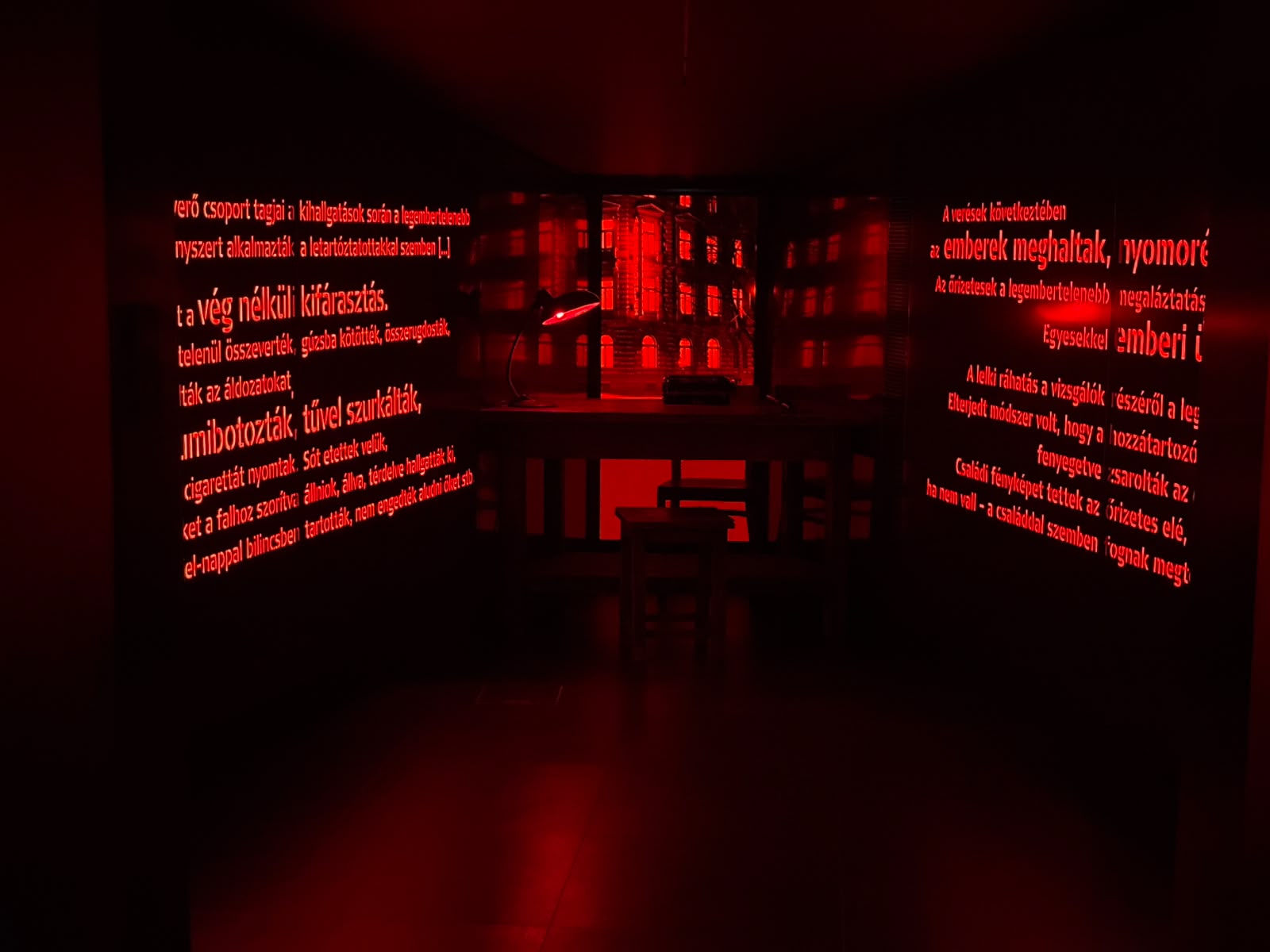
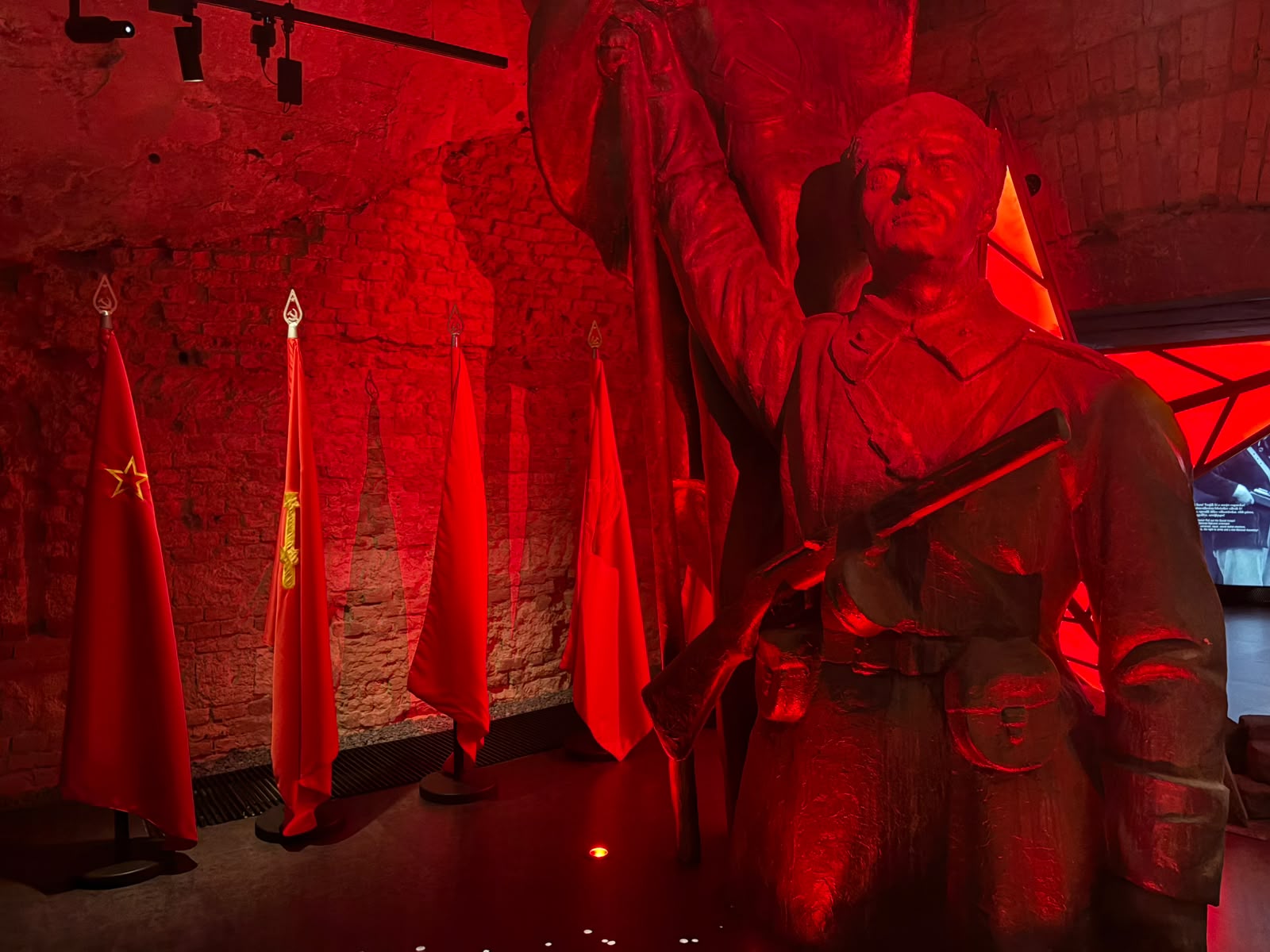
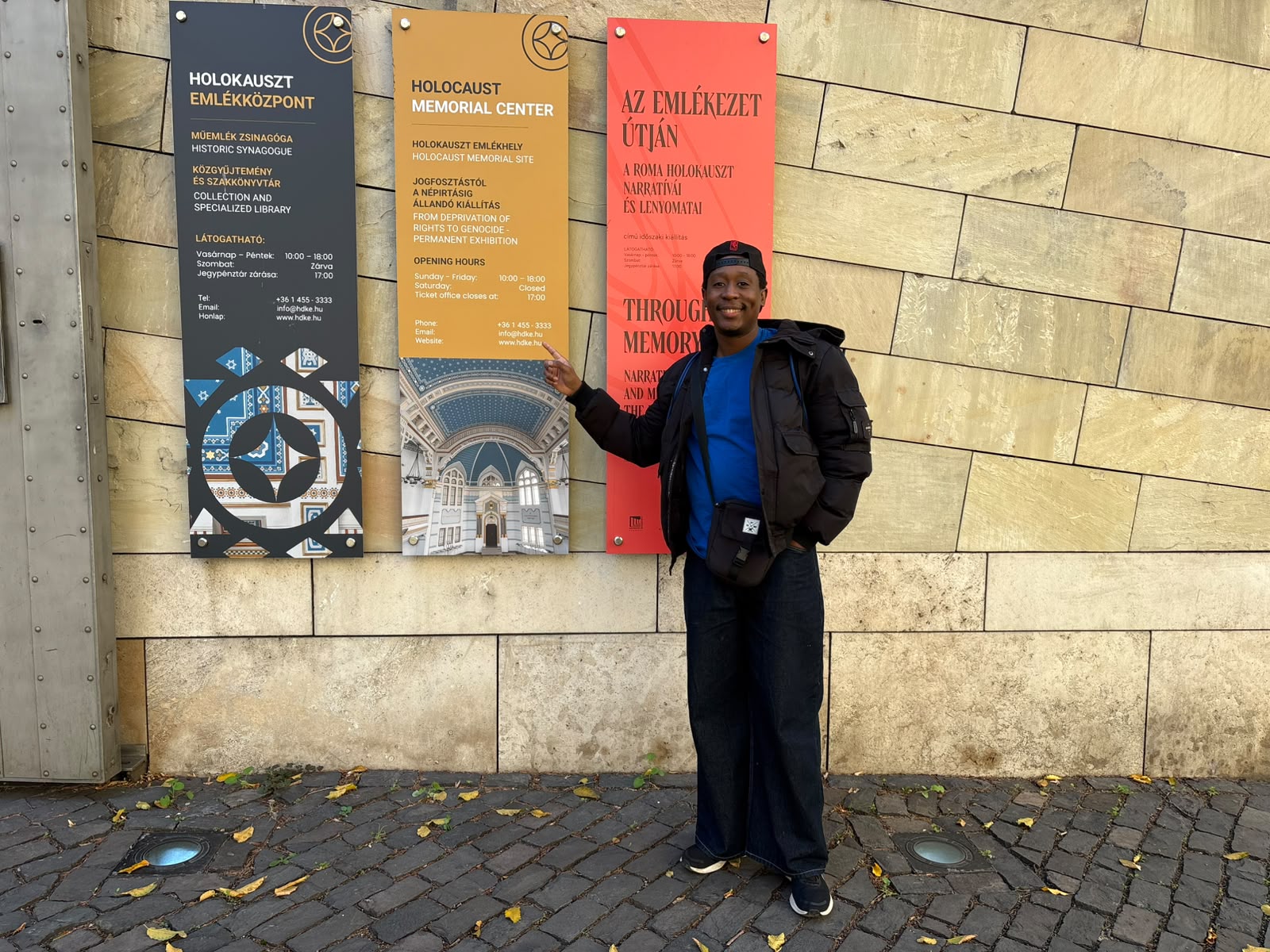
Perhaps one of the most thought-provoking experiences of our visit was the Holocaust Memorial Center.
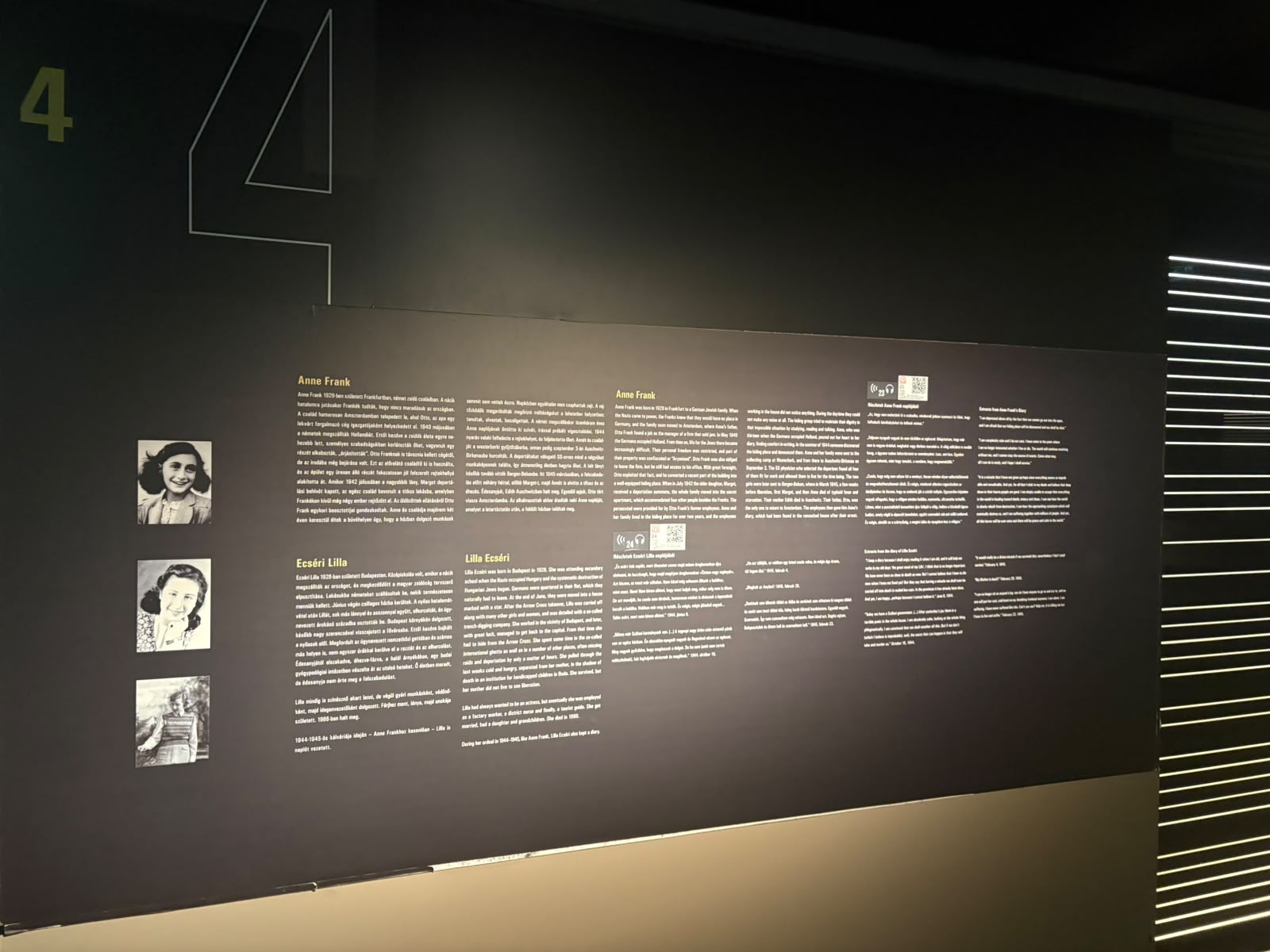
The museum is dedicated to preserving the memory of the Holocaust, particularly the persecution and murder of Hungarian Jews during the Second World War. Its exhibitions provide historical accounts, personal stories and educational material that help visitors understand the scale and human consequences of the Holocaust.
This was more than a history lesson. It was an opportunity to reflect on discrimination, prejudice, intolerance and the importance of protecting human dignity.
Experiences like these remind us why historical education matters, particularly for younger generations. Understanding the past is essential if we want to build a more inclusive and compassionate future.
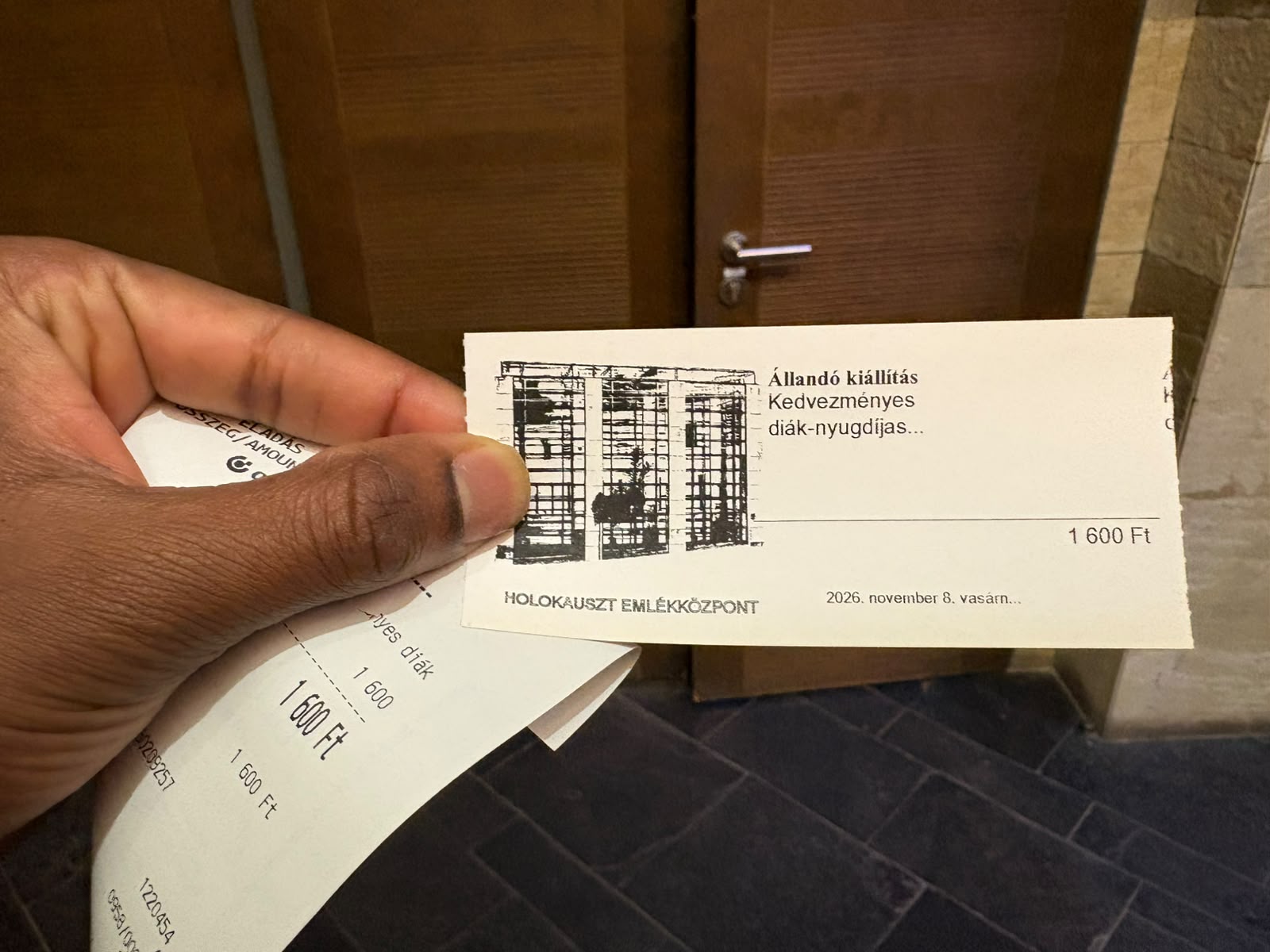
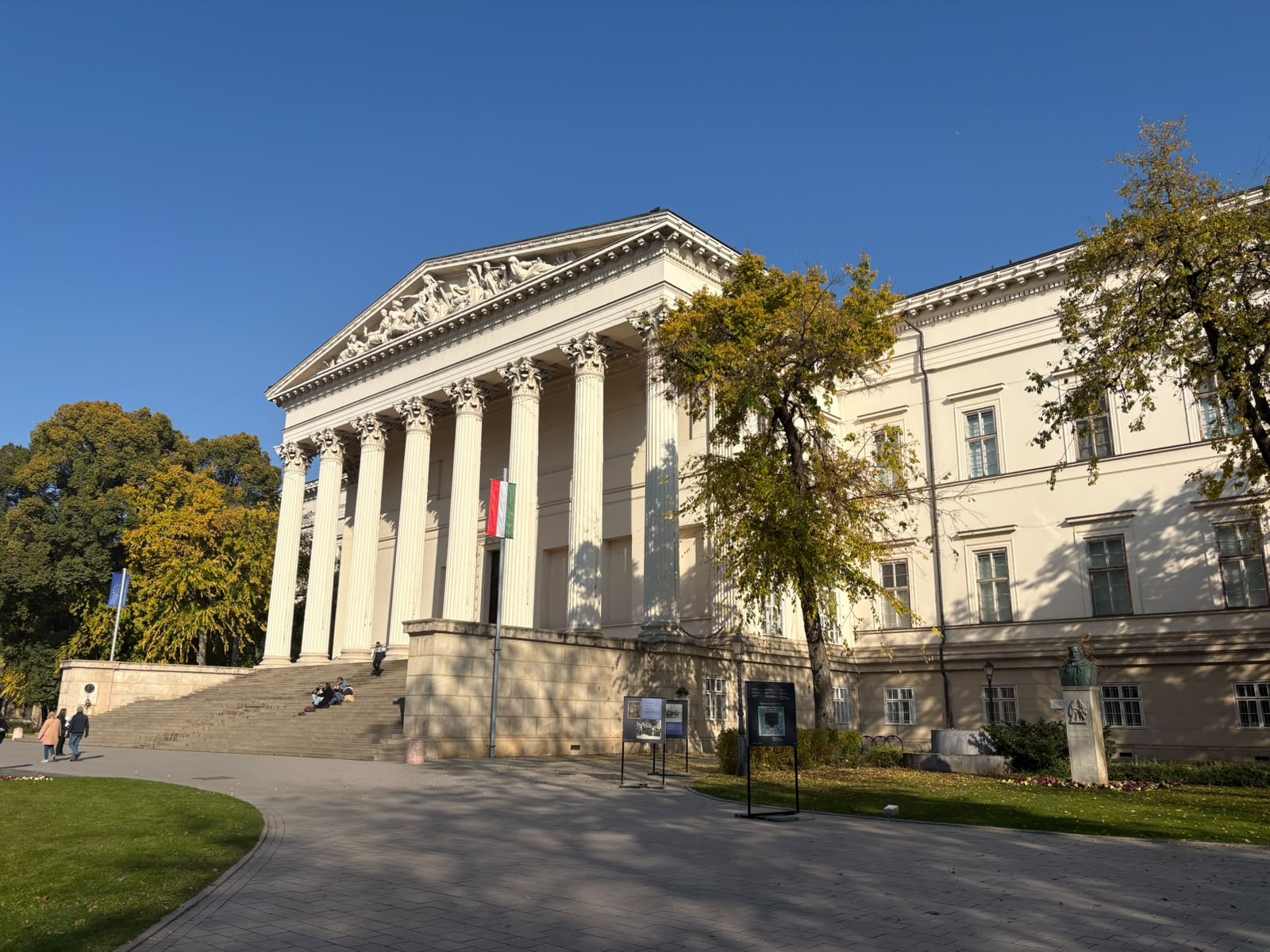
Located in Budapest’s Palace Quarter, the Hungarian National Museum is one of the country’s most important historical and cultural institutions. Founded in 1802, the museum takes visitors on a journey through Hungary’s history, from prehistoric times and the medieval period to more recent historical developments. Its collections include archaeological discoveries, historical artefacts, royal treasures and the famous Hungarian Coronation Mantle. The museum also holds an important place in Hungary’s national identity, particularly because of its connection to the 1848 Hungarian Revolution, when the museum steps became a significant gathering place for revolutionary ideas. Exploring this institution gave us another opportunity to appreciate how a country preserves its heritage and tells the story of its people through generations.
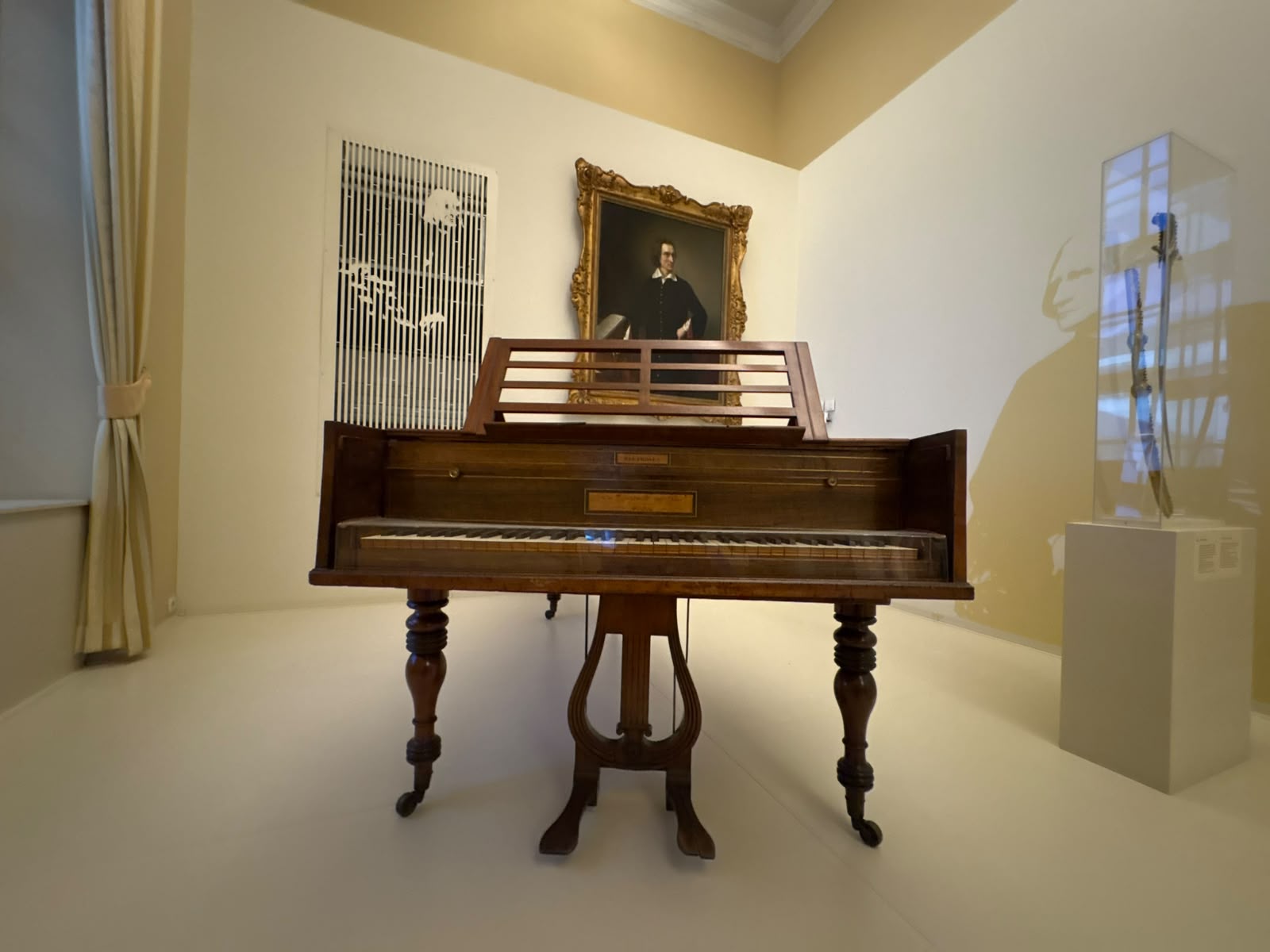
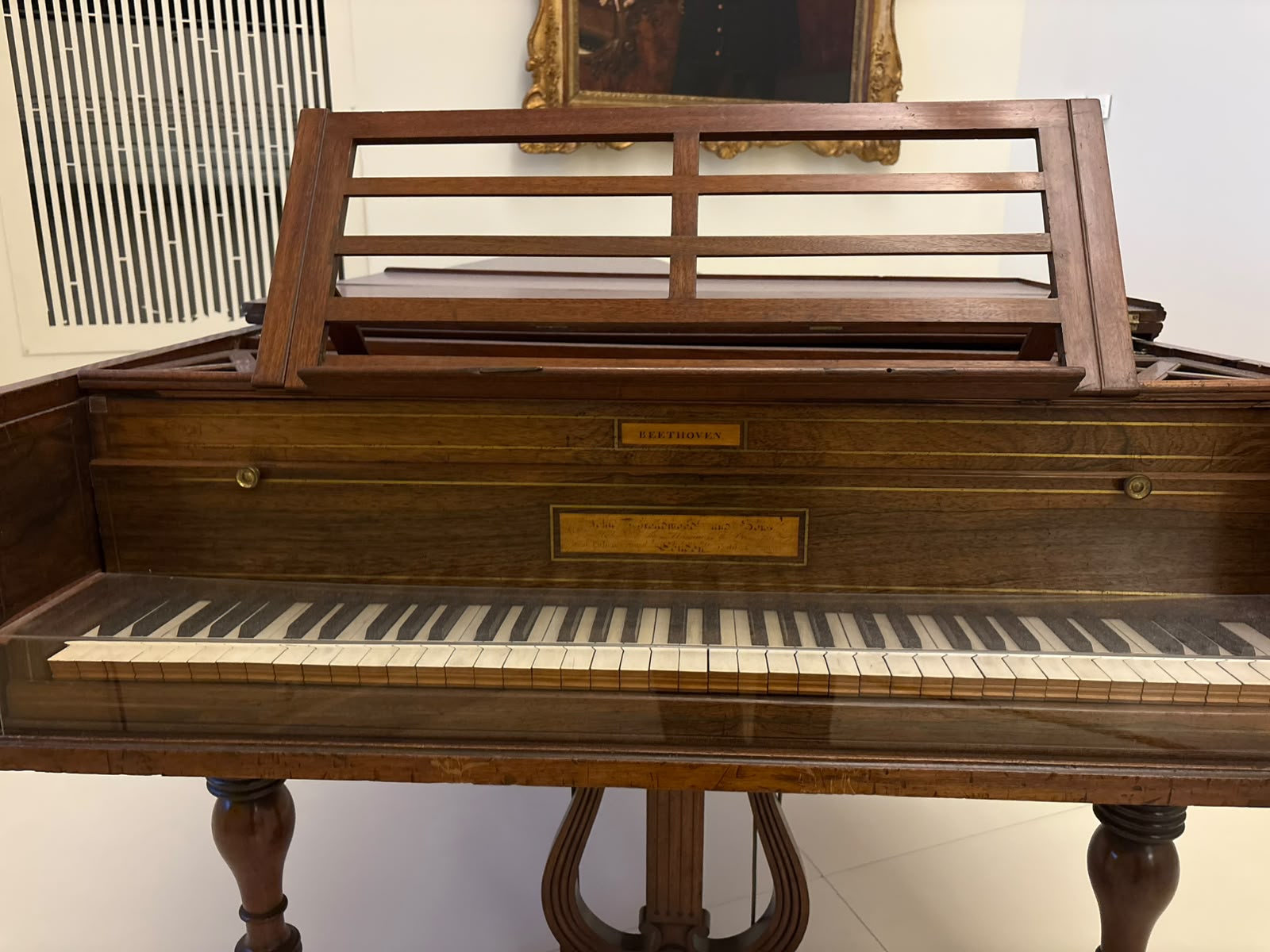
Beyond sightseeing: What Budapest reminded us about
At X-Factored Youth, we often speak about the importance of exposure, personal development and creating opportunities for young people to experience the world beyond their immediate environments.
Our time in Budapest reinforced that philosophy.
There is something special about standing inside a historical building, seeing artefacts from a world war, learning about the experiences of people who lived through the Holocaust, or experiencing another country’s food culture.
These experiences encourage curiosity. They challenge assumptions and allow us to appreciate the diversity of the world we live in.
For young Africans, particularly those interested in international education, vocational training and opportunities abroad, travelling can provide a different perspective on what is possible.
It also teaches us that international mobility is not only about moving from one country to another. It is about learning, adapting, appreciating differences and becoming more informed global citizens.
Final thoughts: Taking the experience beyond Budapest.
Budapest was certainly an experience worth having. Between its fascinating historical landmarks, thought-provoking museums and memorable culinary destinations, the city offered us a little bit of everything.
But perhaps the greatest takeaway was the opportunity to learn through experience.
We left with more than photographs and memories. We gained new perspectives, discovered aspects of European history and experienced another country’s approach to culture and hospitality.
And that is precisely what we hope to encourage through X-Factored Youth: a generation of young people who are curious about the world, willing to explore opportunities and open to learning from experiences beyond their comfort zones.
Because sometimes, the most valuable lessons are not found in a classroom. They are found out there, in the world waiting to be explored.
WATCH OUR VIDEOS

Leave a Reply