
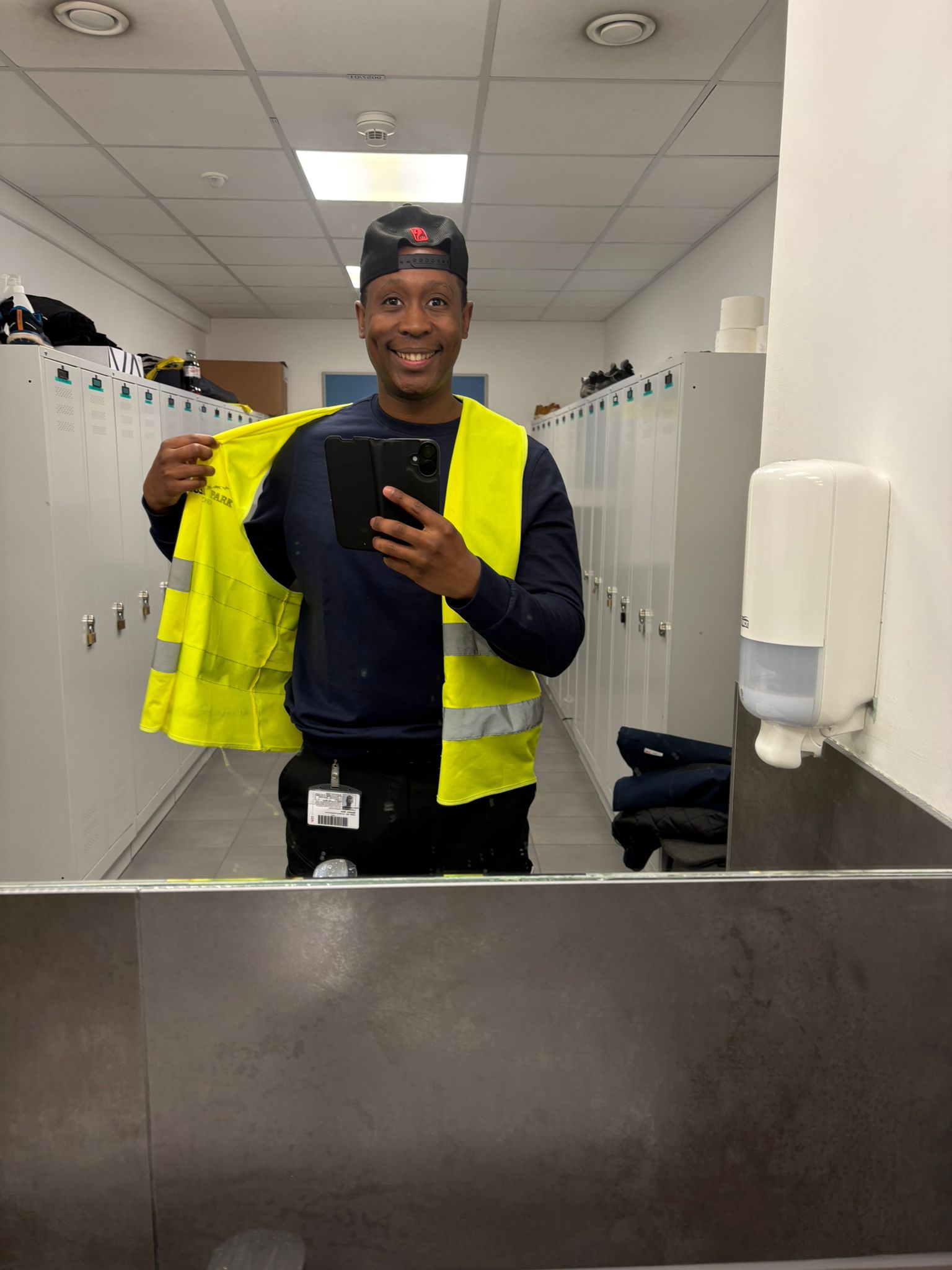

One of many thing that we have enjoyed as part of our apprenticeship is the is the fact that we get to have a holistic view of what happens at Europa Park and how everything is interconnected. As a cook intern, I have learnt that everything starts and finished with logistics as it is the blood vessel of the company. How? Without goods being moved within the park, food cannot be sold, merchandise cannot be sold, nothing can generate income if there is nothing to sell or if there is a delay in delivery. This is my time at Europa Park as a Logistic apprentice.
Central Warehouse
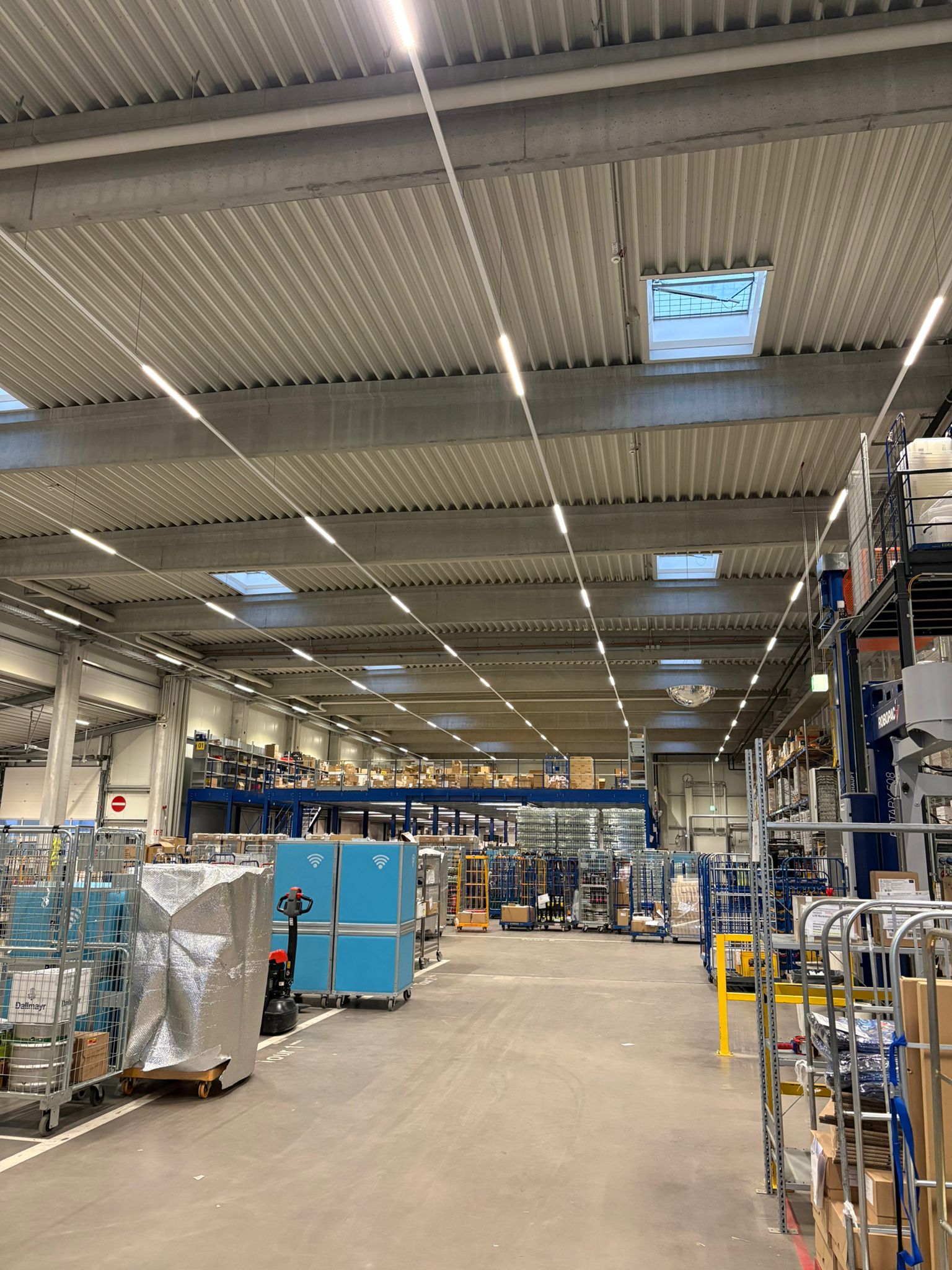
The central warehouse is the backbone of operations, where all essential goods for the park and hotels are received, organized, and stored. From as early as 06:00 each morning, trucks arrive with deliveries that are sorted and distributed to the various departments and businesses across the park. Inside, the warehouse holds a wide range of items—from fresh and chilled food, soft drinks, wine, and beer to marketing materials and operational equipment. Everything stored here plays a role in keeping daily activities running smoothly. This experience showed me how important efficient logistics are. For a business like X-Factored Youth, having well-structured systems in place is key to delivering a product or service that customers can experience seamlessly and reliably.
Commissioning
My first introduction was to the commissioning department. Here, I learned how to prepare orders for specific businesses within the park. Each order works like a “contract,” listing all the items required. As a commissioner, my role was to locate each product, collect it into a wagon, secure it properly, and place it in a designated area for the delivery team. In simple terms, commissioning involves picking, packing, and preparing goods for distribution.
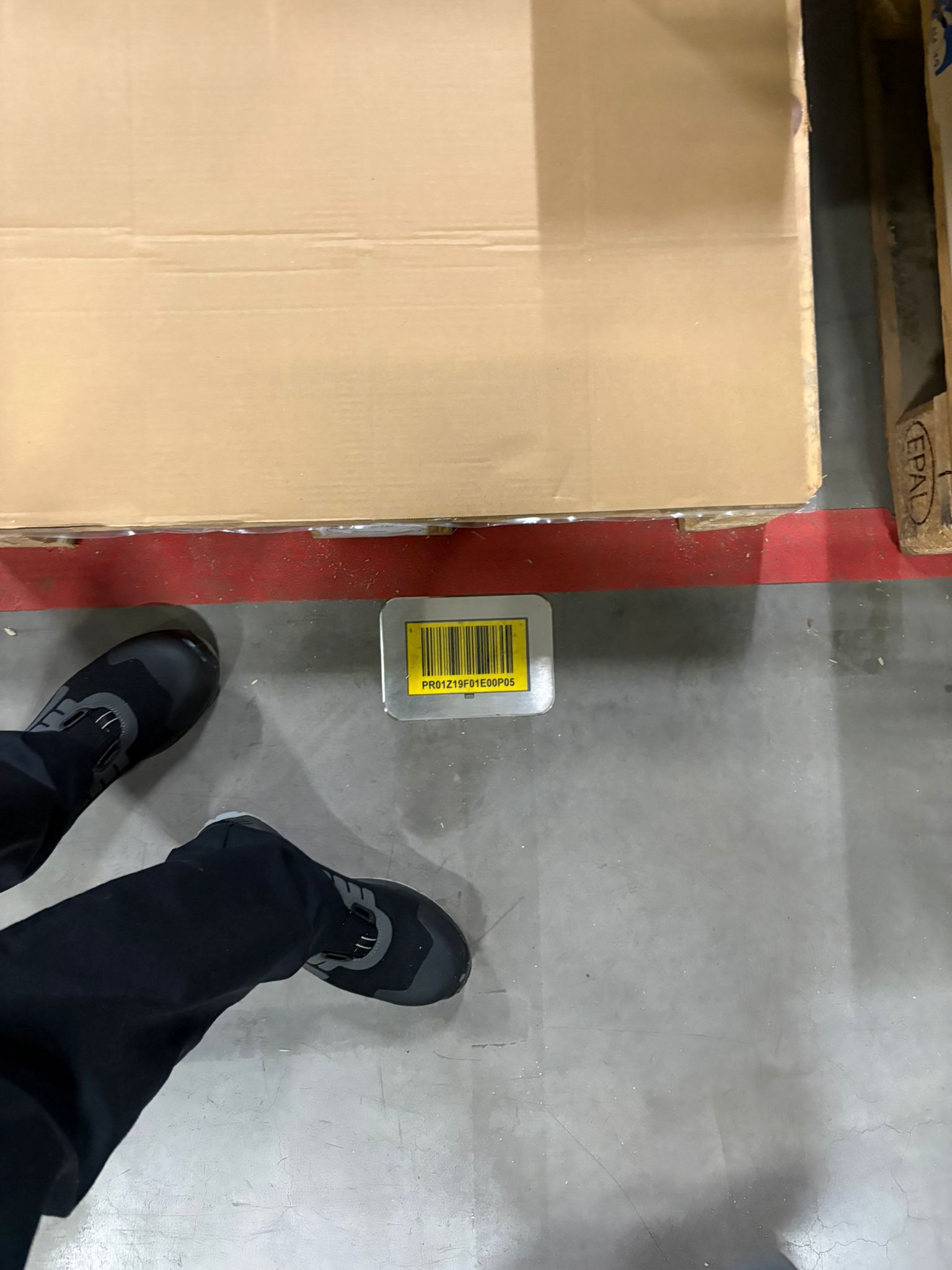
To ensure accuracy, the warehouse team uses handheld scanners throughout the process. These devices are used to scan storage locations and track stock levels in real time. Not only does this help commissioners find the correct items quickly, but it also allows the system to monitor inventory and signal when products need to be reordered—preventing shortages before they happen.
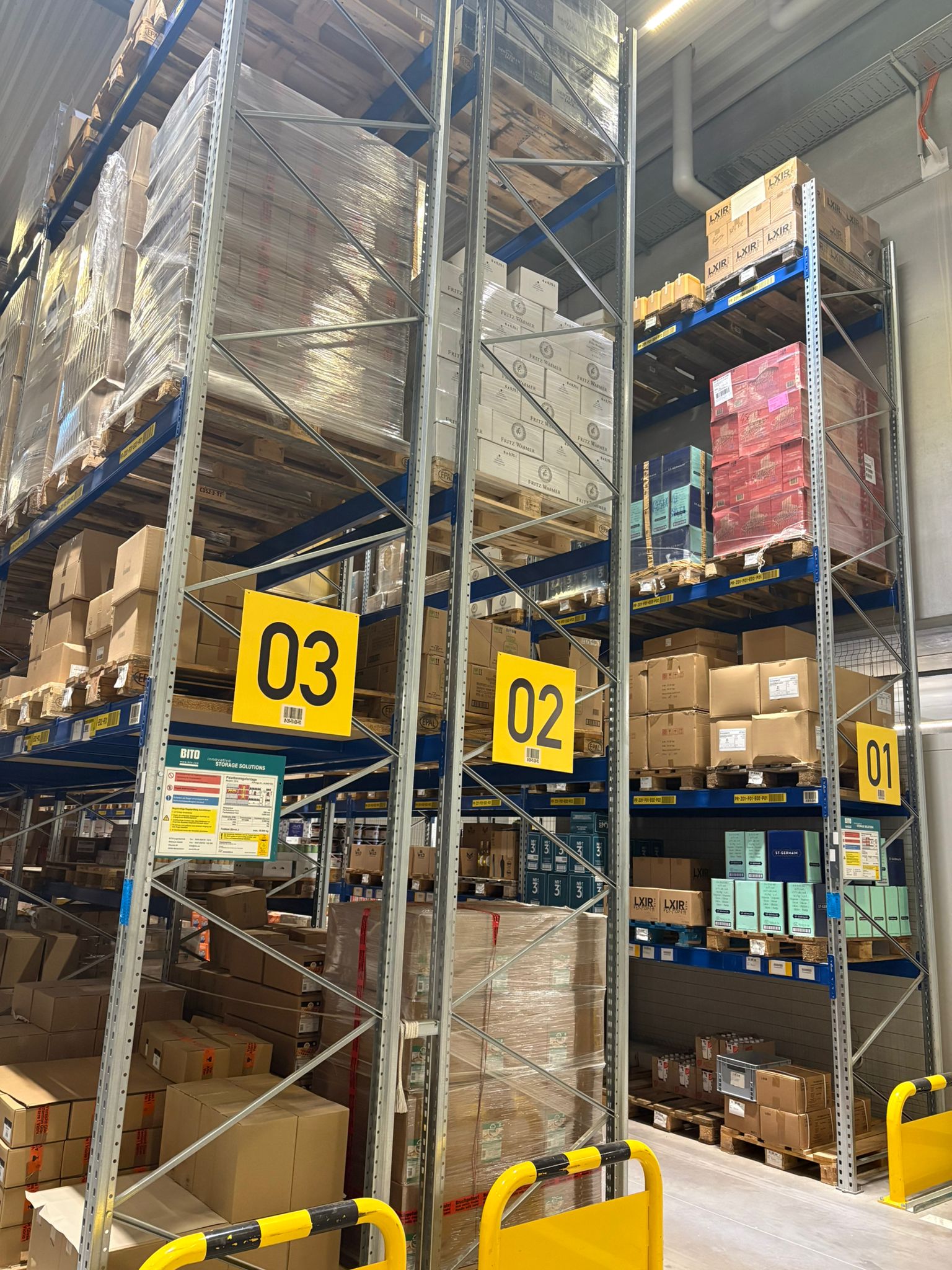
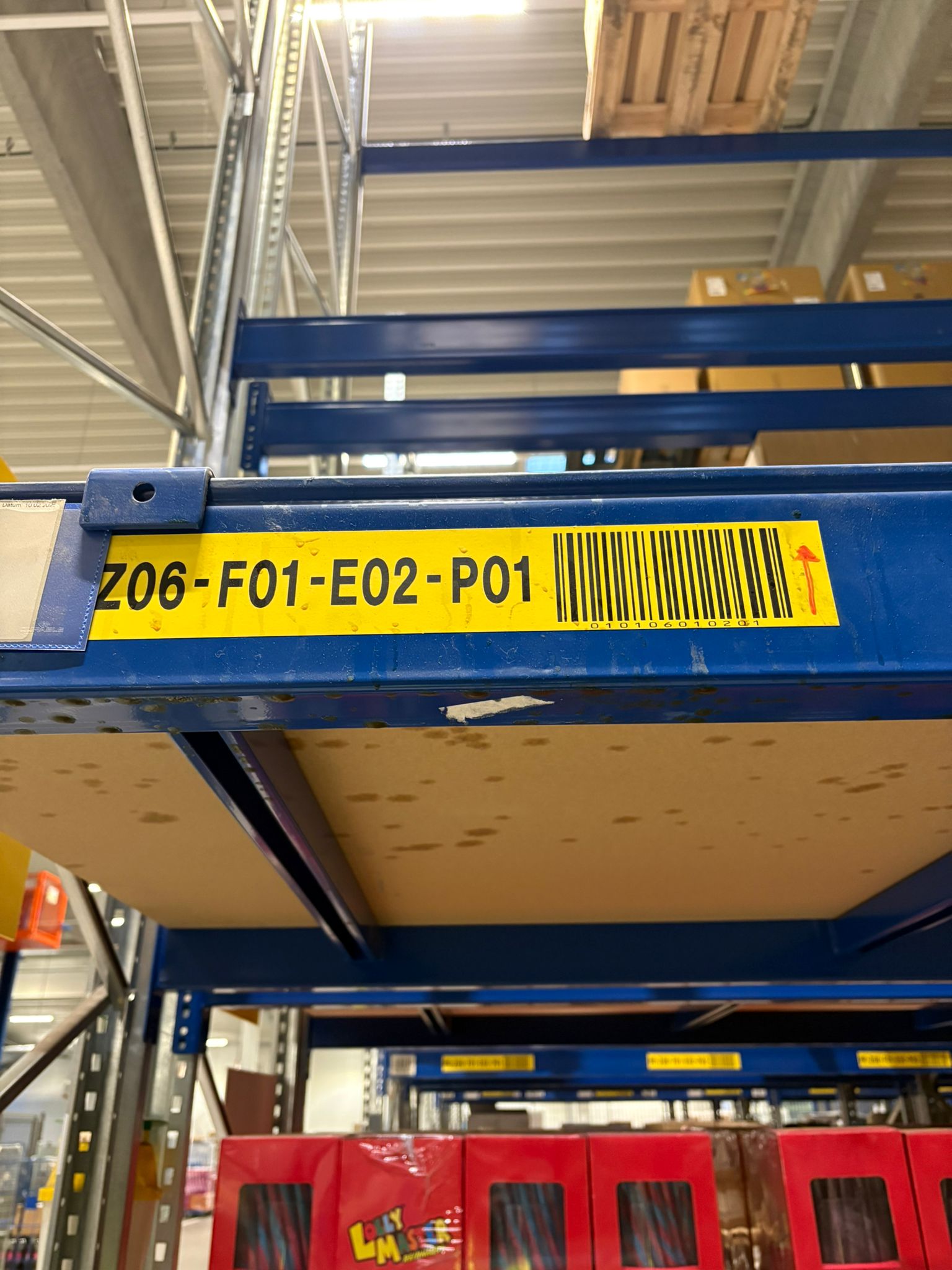
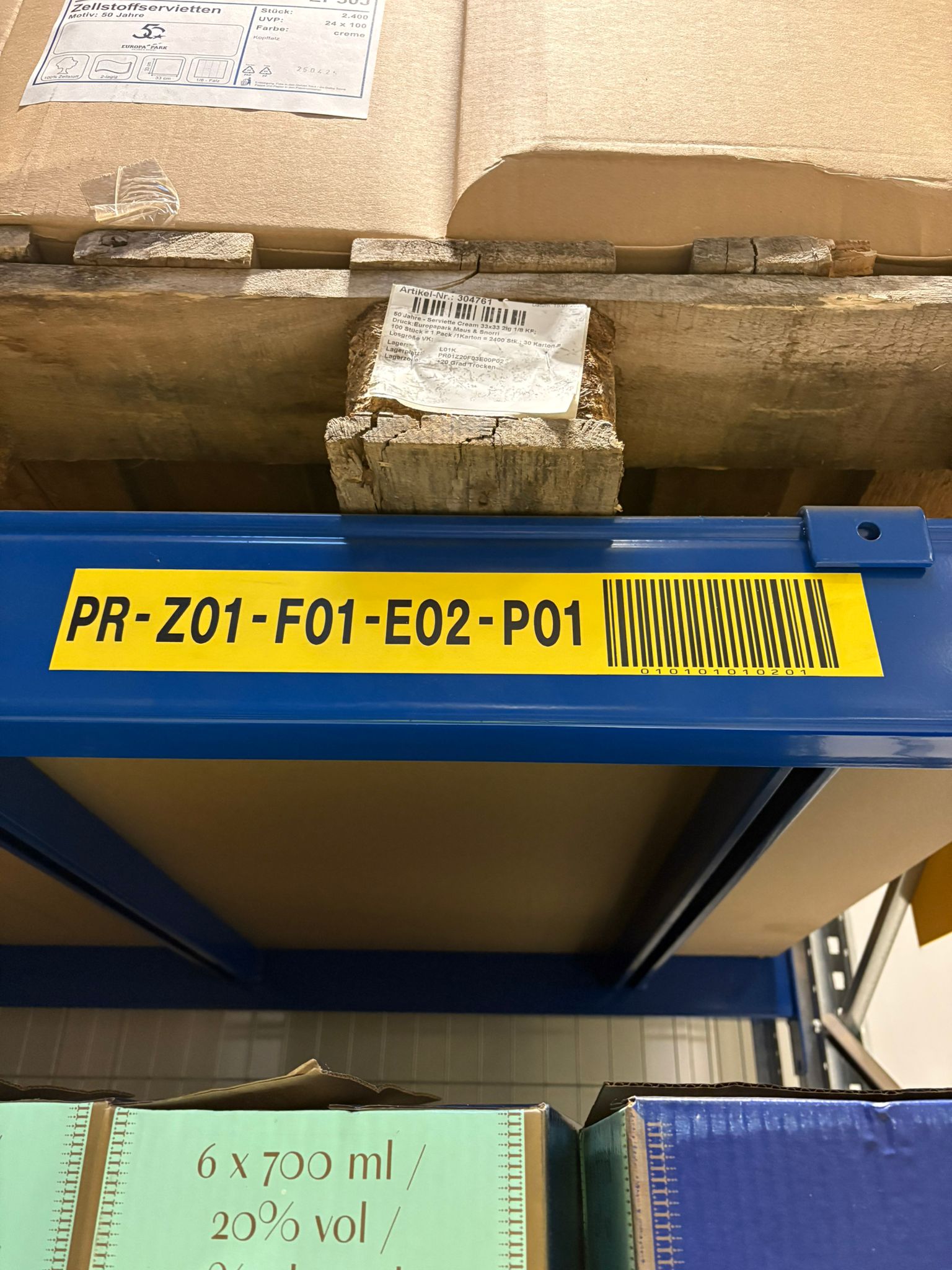
Finding products becomes easier thanks to the warehouse’s structured layout. The space is divided into clearly defined zones, each dedicated to a category of items. Every product location is identified by a specific numerical code, which indicates the aisle, position, level, and exact spot. For example, the code “06010201” breaks down into aisle 06, position 01, level 02, and the first spot within that level. This system ensures that even in a large and busy warehouse, items can be located quickly and efficiently.
What happens after commissioning?
After collecting all the items and placing them into their designated wagons, the next critical step is to properly secure and wrap the load. This process goes beyond simply covering the goods. It involves stabilising the entire shipment to prevent shifting, vibration damage, or exposure during transit. By tightly wrapping the items (for example, with stretch film, straps, or protective covers), you ensure that individual packages stay in place and maintain their integrity throughout handling and transport.
Proper wrapping also helps distribute weight evenly within the wagon, reducing the risk of imbalance that could lead to accidents or product damage. In addition, it protects goods from environmental factors such as dust, moisture, or minor impacts that can occur during loading, unloading, or transit.
Taking the time to secure the load effectively has a direct impact on downstream efficiency. A well-wrapped and stable wagon is easier and safer for the next team to handle, whether they are responsible for moving, sorting, or delivering the products. It minimizes the need for reorganization, reduces the likelihood of damaged goods, and helps ensure that deliveries reach their destination in optimal condition.
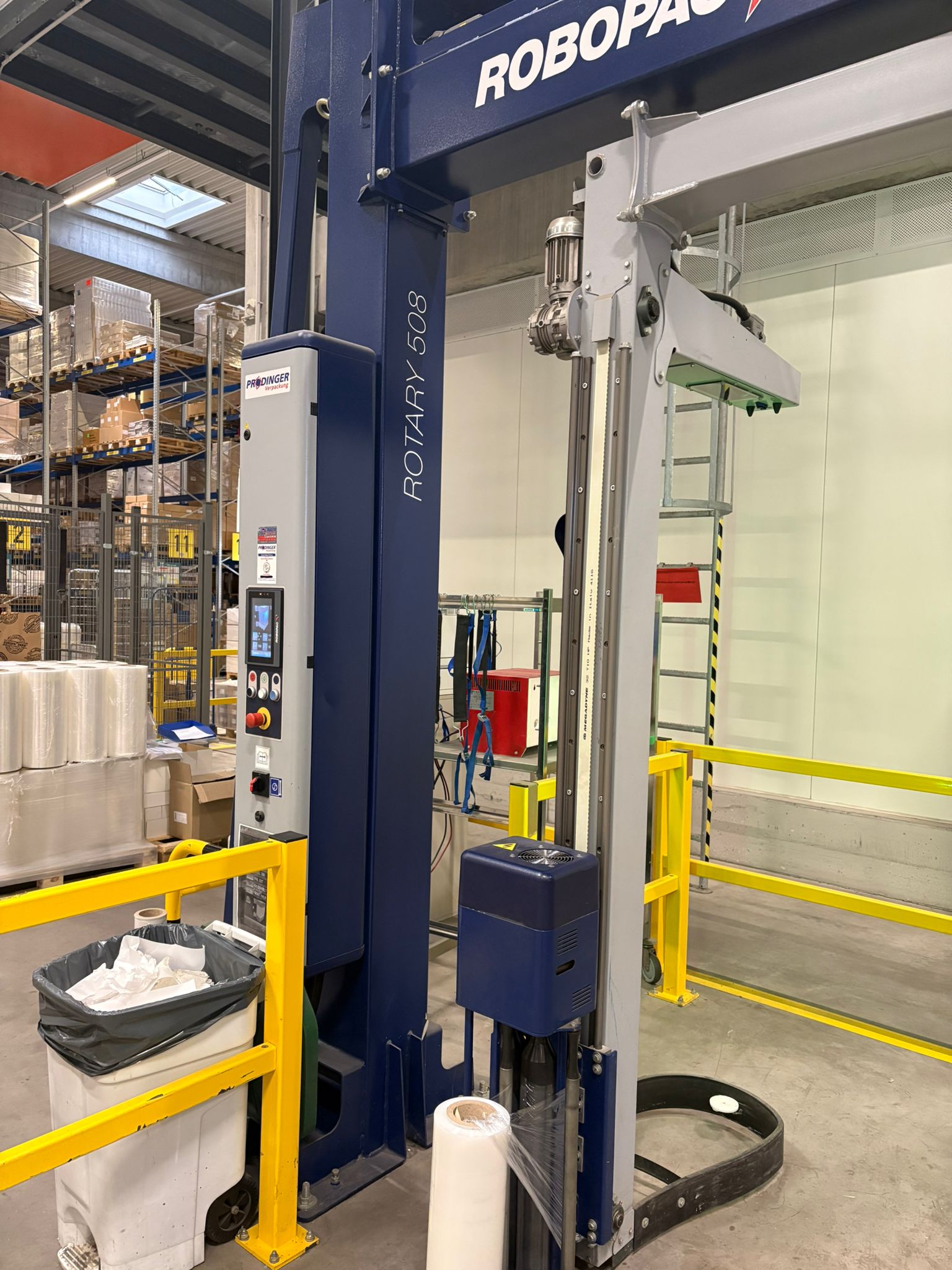
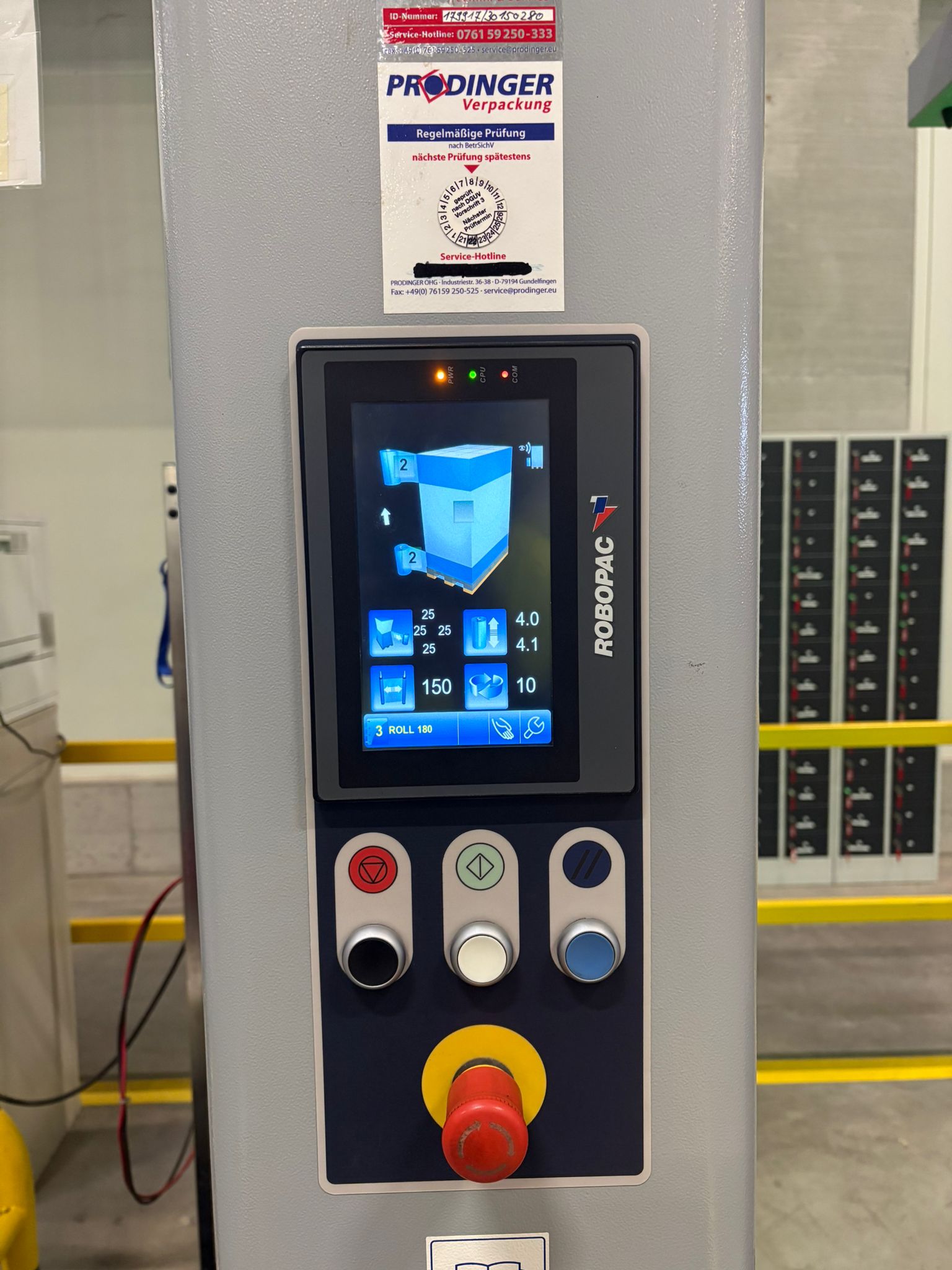
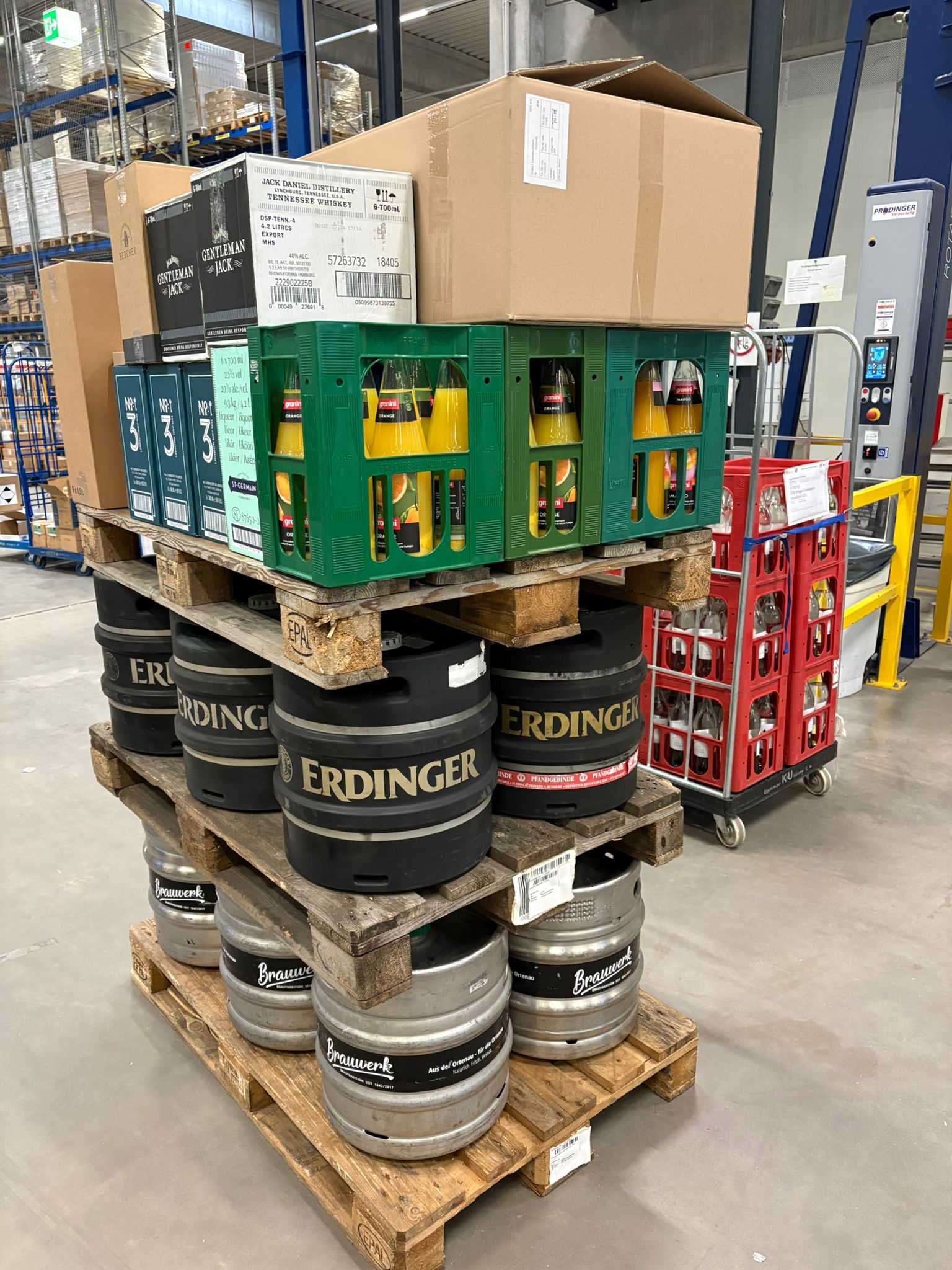
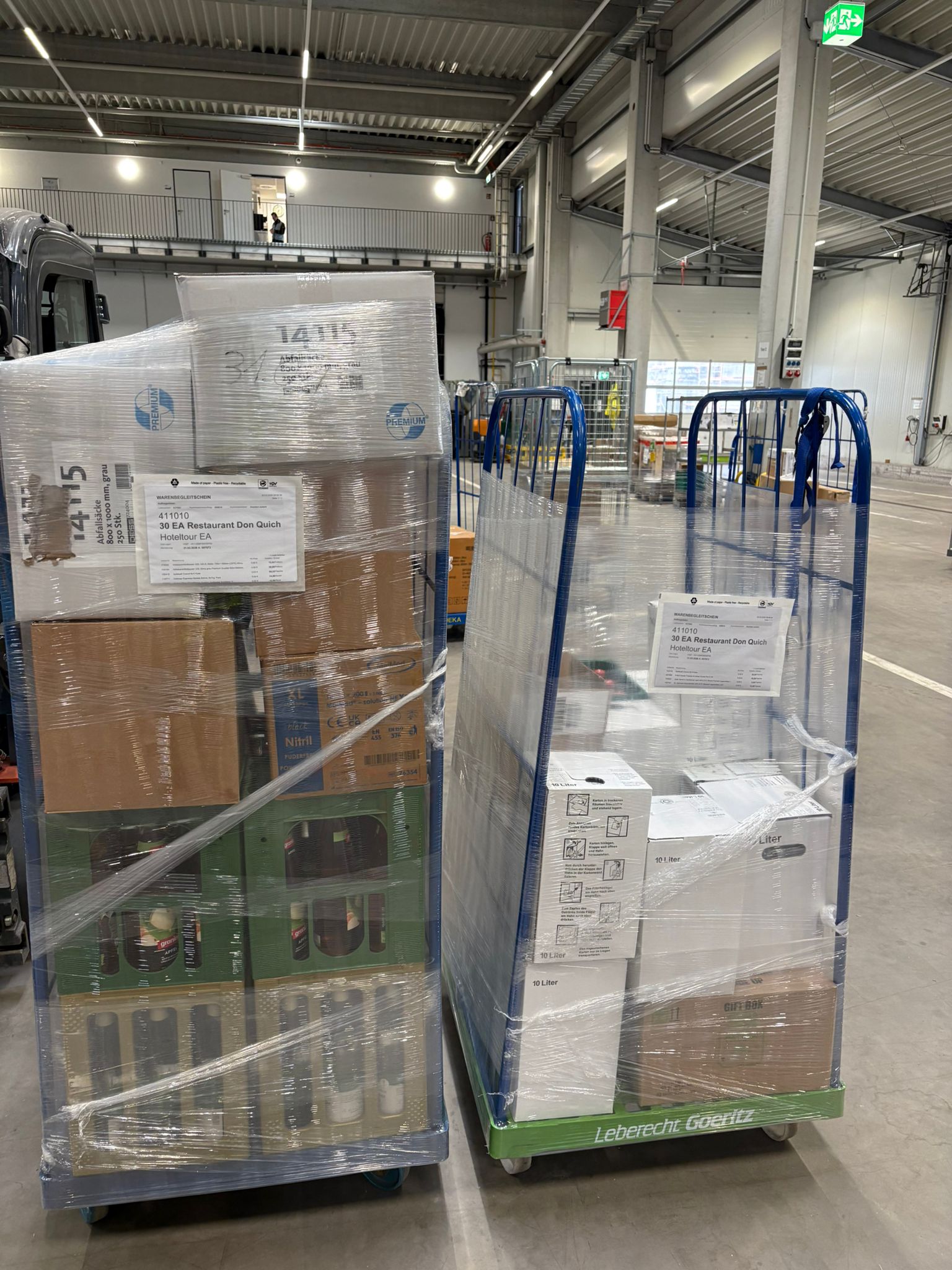
As an Azubi working in the warehouse (Lager), this practice shapes how we understand and operate within the business on a bigger level—it’s not just a small task, it reflects key priorities of the entire organization.
First, in terms of speed, properly wrapping and securing the wagon might seem like it takes extra time in the moment, but it actually makes the whole process faster overall. When goods are stable and organized, the next team can immediately continue with transport or delivery without fixing mistakes or reorganizing items. This reduces delays, avoids repeated work, and keeps the workflow moving smoothly. So, we learn that doing things right the first time is more efficient than rushing and creating problems later.
Second, regarding strategy, this step shows how important planning and structure are in logistics. Each wagon has a clear purpose, and securing it properly ensures that the entire supply chain works as intended. It reflects a bigger strategy where every step—from picking to delivery—is connected. As Azubis, we see that even simple actions contribute to the company’s overall performance, reliability, and customer satisfaction. It teaches us to think ahead and understand how our work impacts other departments.
Finally, in terms of care for the products, wrapping the goods emphasizes responsibility and quality. The products are not just items—they represent value for the company and expectations from the customer. If they arrive damaged, it affects trust and creates extra costs. By securing the load carefully, we show that we respect the goods and take ownership of our role in protecting them. This mindset is important in building a culture of quality and accountability.
Overall, this process teaches us that warehouse work is not just physical labor—it is part of a coordinated system where speed, smart planning, and careful handling all work together to support the success of the business.
If you wish to learn more about life in Germany or want to get access to more opportunities, be a member of the X-Factored Youth now by clicking the image below.

Leave a Reply